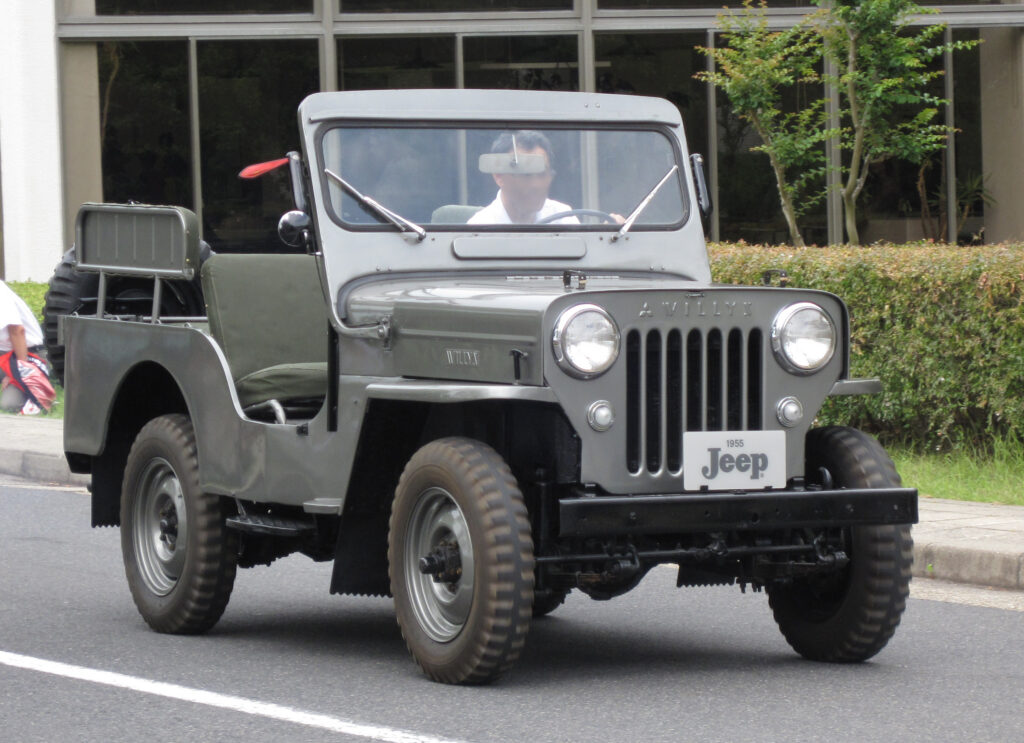
If you have followed this series, you would have noticed some recurring themes. World War II, infrastructure destruction, resource shortages – funding, fuel, materials, etc. The need to rebuild was urgent, and one of the most important necessities for getting a country back on its feet was mobility for farmers, tradespeople, small businesses, and working families. In every story we have covered, one vehicle has played a critical role in rebuilding yet remained in the background. That vehicle is the Willys Jeep. It is time to elevate it from a supporting role to the main character. 

America is credited with many products that changed people’s lives. As an automotive nerd, I put the Willys Jeep near the top of that list.

Unlike every other vehicle in the Necessity Files series, the Jeep was not born from the needs of a peacetime society rebuilding after hardship. It was born in the hardship itself, designed under one of the most compressed and demanding briefs in automotive history, while the world was tearing itself apart. Today, an automotive company spends between three and five years and hundreds of millions of dollars on research and development before bringing a new vehicle to market. The Willys Jeep prototype was built in just 49 days.

Forty-Nine Days

In July 1940, Europe was already at war, and America was watching from the sidelines, imagining the inevitable. The US Military realized that if it joined the war, its slow infantry could be a serious limitation. An urgent request for proposal was issued to 135 automotive manufacturers. The proposal specified the need for a lightweight, four-wheel-drive reconnaissance vehicle capable of carrying men and equipment across any terrain. The specifications were exacting: a maximum wheelbase of 75 inches, a maximum weight of 1,300 pounds, four-wheel drive, a fold-down windscreen, and a payload of 660 pounds. Companies had eleven days to submit their bids, 49 days to deliver a working prototype, and 75 days to deliver 70 test vehicles – a seemingly impossible task by any measure. 

General Dwight Eisenhower named it one of the three (or five – this information is contested) pieces of equipment most critical to the Allied victory.
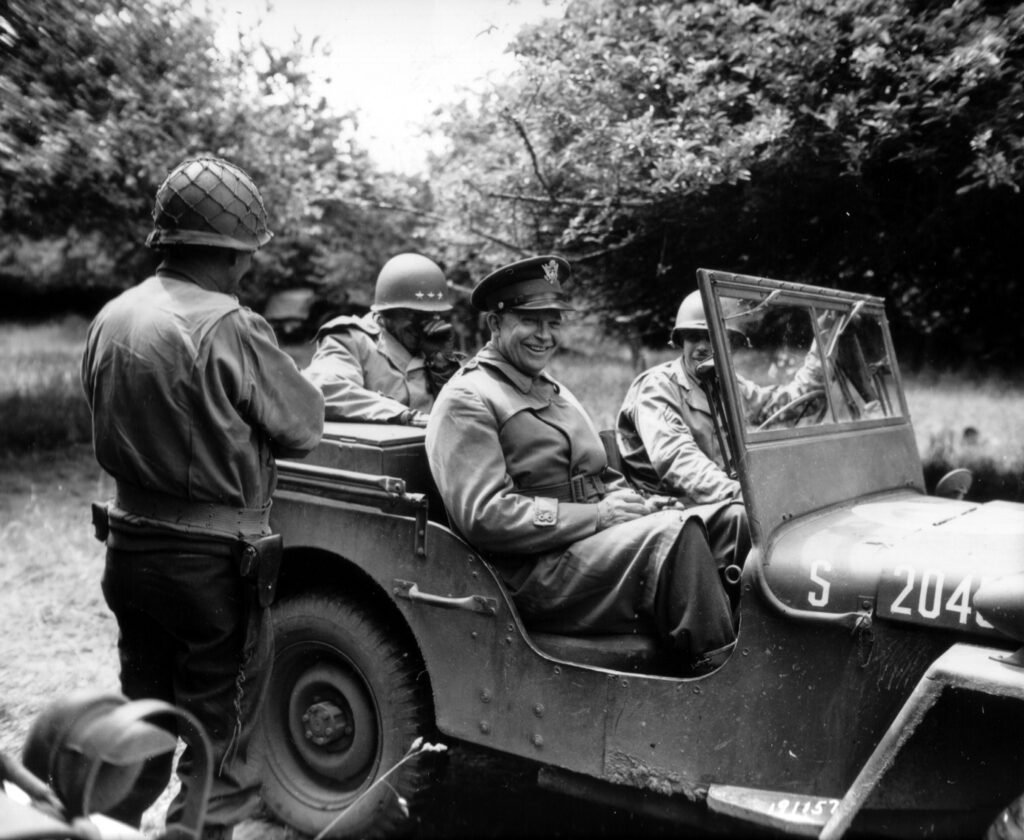
Of the 135 manufacturers approached, only three responded: the American Bantam Car Company, Willys-Overland Motors, and Ford. Though Bantam delivered the prototype within the 49-day window, it lacked the capacity to produce the required volumes. Willys and Ford were also brought in alongside and given access to Bantam’s design – a decision still unpopular with historians. The resulting design combined the best of all three: Bantam’s chassis, Ford’s flat hood and stamped grille, and Willys’ legendary Go-Devil engine, which outmuscled both rivals with 60 horsepower and 105 foot-pounds of torque. Willys won the primary contract, and Ford was brought in as a second manufacturer to meet demand, which is why the Willys MB and the Ford GPW existed side by side throughout the war.

As for the name, its precise origin remains contested. The most likely origin is the military designation “GP” for “General Purpose”. Whatever the origin, it stuck, and Willys trademarked it. 

It Went Everywhere

During the war, between Willys and Ford, over 600,000 Willys MBs and Ford GPs were produced, of which nearly 30% were shipped to Allied forces in Britain and the Soviet Union. Every theatre of the war was served by the Jeep – the deserts of North Africa, the hedgerows of Normandy, the jungles of the Pacific. It served as a reconnaissance vehicle, an ambulance, a gun platform, a cable-layer, a fire-fighting pumper, and, with suitably adapted wheels, even ran on railway tracks. General Dwight Eisenhower named it one of the three (or five – this information is contested) pieces of equipment most critical to the Allied victory.

It is difficult to point to any single feature that made the Jeep remarkable. Rather, it was how the whole package came together to do what it could. It was light enough to load into a transport aircraft and drop behind enemy lines. It was rugged enough to ford rivers, cross ploughed fields, and climb mountain paths. It was simple enough that a soldier with basic mechanical training could fix it in the field. And it was produced in sufficient numbers for every infantry regiment in the US Army to receive a good supply.

American forces returned home after the war, leaving behind a surplus of equipment, including many Jeeps. Local farmers found them surprisingly useful, and engineers reverse-engineered them to produce vehicles such as the British Land Rover and the Japanese Land Cruiser.

The Uniform Comes Off

Many soldiers who had driven Jeeps across the fields of Europe and the Pacific came home to farms of their own, already knowing exactly what the vehicle could do. What had worked on a battlefield would work just as well on a farm.

Willys had already anticipated this. In 1944, the company smartly pivoted, developing a civilian version and branding it as a motorized horse for the American farmer. The result, launched in 1945, was the CJ-2A, with “CJ” standing for Civilian Jeep, marketed as a tractor replacement. 
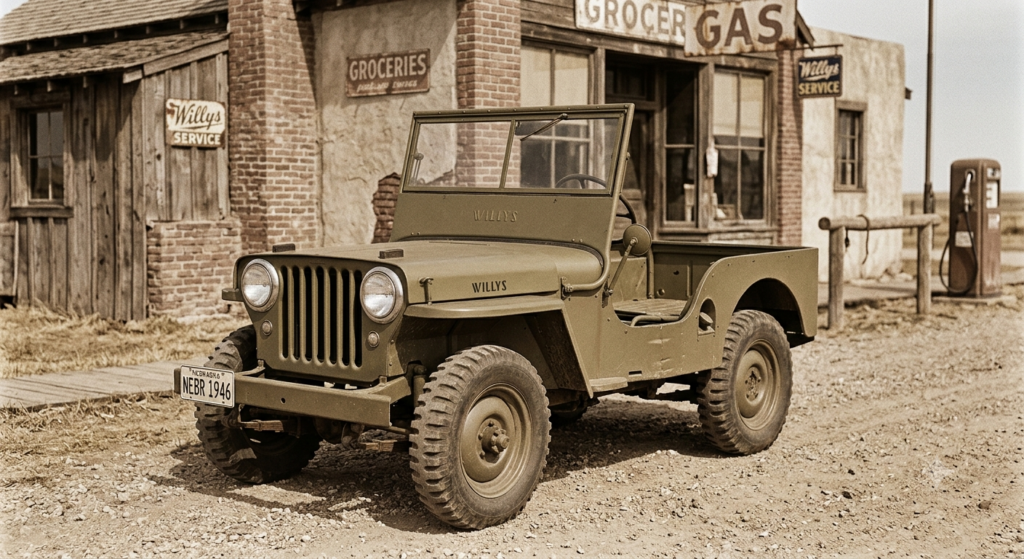
It retained the core of the military vehicle but added a tailgate, a side-mounted spare, and civilian lighting. The CJ-2A could be fitted with a Power Take-Off to drive ploughs, pumps, and saws directly from the engine. We later saw the same concept on the Land Rover.

The World Follows

The Jeep’s influence spread far beyond American farms. Willys licensed the design to manufacturers worldwide. In India, Mahindra began assembling Jeep kits in 1947. To this day, Mahindra vehicles reflect the Jeep influence. Mitsubishi built licensed Jeeps in Japan until 1998. The Toyota Land Cruiser traces its origins directly to a captured American military Jeep that Japanese forces reverse-engineered during the war. The Land Rover, as readers of this series will know, was built on a surplus Jeep chassis. The Nissan Patrol, the Mercedes G-Class, and the entire global family of off-roaders all owe their existence, in some measure, to what three companies built in 75 days in 1940.
Simplicity is the Ultimate Sophistication

The most enduring vehicles are often the ones built not for profit or prestige, but because a very specific, urgent need left designers with no choice but to get it right. With limited access to funding and materials, they had to keep it simple, and that simplicity was the key to making every vehicle in this series successful.
Citroën played such an important part in rebuilding France after WWII that the story of the 2CV wasn’t enough. For our last article in this series, we crossed the English Channel to bring you the story of Land Rover Series 1. We are once again drawn back to France because another Citroën deserves its own place in this series. That vehicle is the Citroën H Van.

We have already met Pierre-Jules Boulanger, the man whose epiphany while stuck behind a farmer’s cart on a muddy track led to the birth of the 2CV. Boulanger was a patriotic man, a trait common among the population under attack from the Axis Powers. He was also a visionary who retained a strong sense of realism. We saw this pragmatism in the 2CV, which he created to give the French farmer and rural working class personal mobility. But he also realized he had solved only half the problem. Post-war France was crawling back to its feet, and the people doing the crawling – the bakers, the butchers, the market traders, the building contractors, the small artisans who formed the backbone of the French economy – needed more than a car; they needed a van. 

When planning the 2CV in the late 1930s, he also commissioned an investigation into how small businesses moved their goods. The research was exhaustive, with photographs, sketches, and interviews with tradespeople from small village craftsmen to company managers. The picture that emerged was that of a van with specific characteristics. The driver had to sit as far forward as possible, above the front axle, to maximize cargo space without making it too long. The cargo area had to be tall enough to stand in. It had to be accessible from the driver’s seat without stepping outside. It needed a side door facing the pavement for easy loading and unloading. Like the 2CV, it had to be cheap to build, cheap to run, and simple enough for a small-business owner to maintain. Although the war shaped the final product, the basic concepts remained. 

It was boxy and ribbed, with a distinctive nose that earned it the nickname Nez de Cochon (Pig’s nose). But the need was so clear that it stayed in production for 34 years (1947-1981), virtually unchanged.

Boulanger’s team did build a van, the Citroën TUB, in 1939 with these specs, but the war cut production short after only about 1,740 units were built. When peace returned, the team went back to work, this time with a larger, more capable successor in mind.

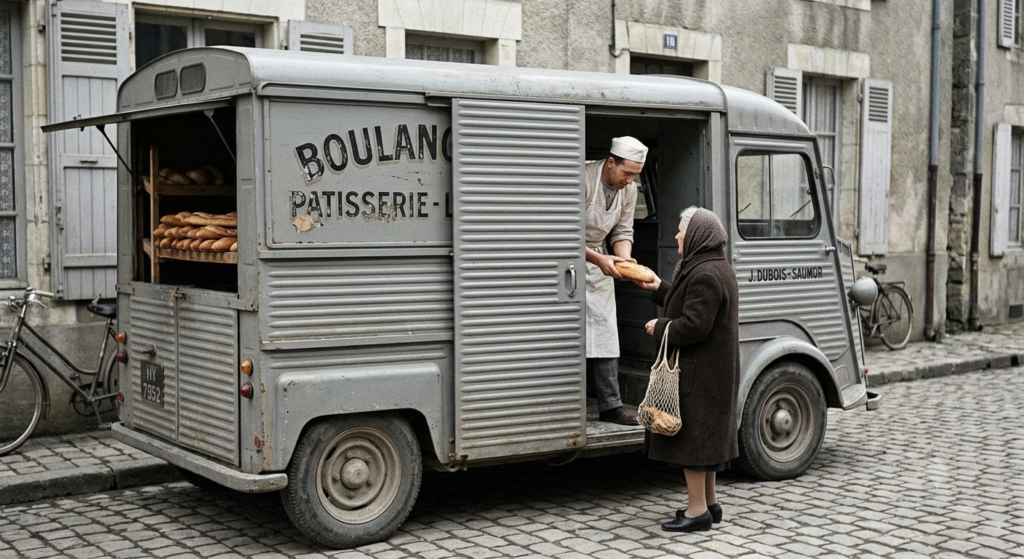
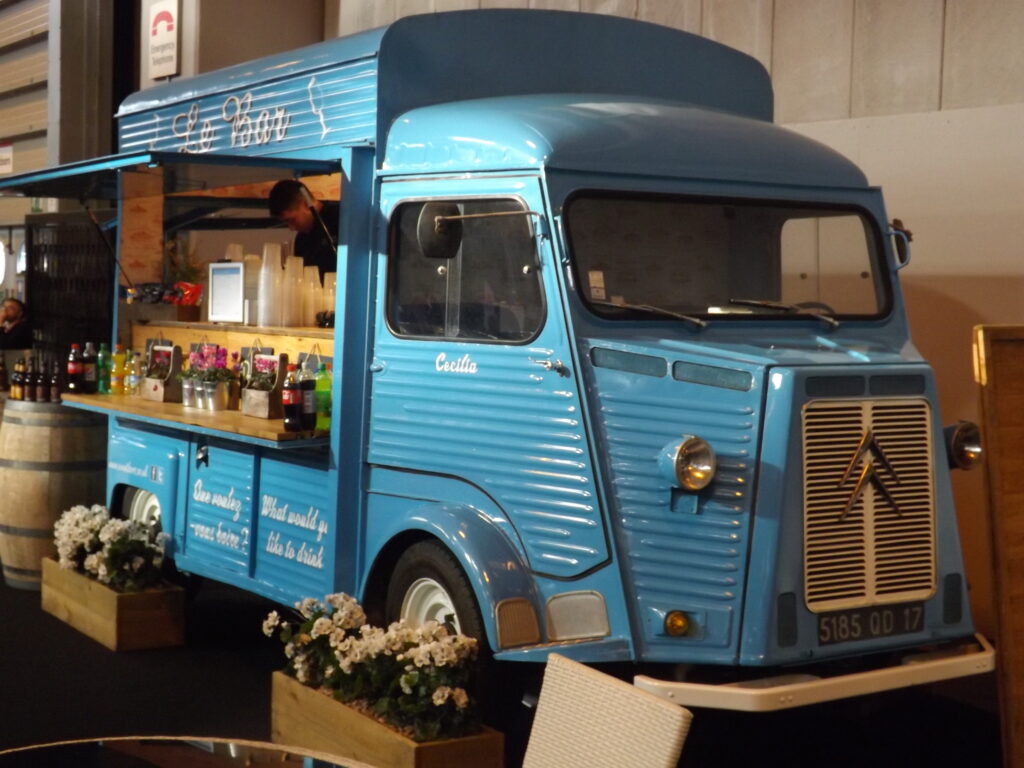
Boulanger tasked Pierre Franchiset with designing the new van’s body. The result, introduced at the 1947 Paris Motor Show, was a vehicle that looked like nothing else on the road – a tall, boxy van clad entirely in corrugated steel panels. Its ribbed skin made it look like a small shed on wheels. 

The reaction contrasted sharply with that of the 2CV. While the 2CV drew heavy ridicule, especially from the media, the H van was recognized for what it offered. Orders started flowing in almost immediately from small businesses and tradespeople. There is no denying that it looked bizarre. It was boxy and ribbed, with a distinctive nose that earned it the nickname Nez de Cochon (Pig’s Nose). But the need was so clear that it stayed in production for 34 years (1947–1981), virtually unchanged.

The corrugated panels were not for style. As with the other stories in the Necessity Files series, it was a solution born of constraint. Franchiset borrowed the idea directly from wartime Junkers aircraft, where corrugated metal had long been used to add structural rigidity without adding weight or requiring expensive tooling. The ribs stiffened the panels so effectively that the welded floor, according to Citroën, was strong enough to support the weight of a horse – one of the necessary features for the target market. 

Underneath the corrugated skin, the engineering was equally thoughtful. The front-wheel-drive layout meant no driveshaft ran along the floor of the cargo area. The result was a low and completely flat loading floor. The engine was mounted at the very front of the vehicle, ahead of the gearbox, freeing up more load space. Independent suspension, rack-and-pinion steering, and a unibody structure gave the H Van a ride quality and handling that surprised everyone who drove it. 

Though the designers hadn’t intended for it, the van’s design gave it another important benefit. With buildings and stores bombed out, the van became a mobile storefront.

Before the H Van, commercial vehicles were just passenger cars with a box welded onto the back. They had rear-wheel drive, meaning a bulky driveshaft ran under the floor, forcing the cargo bed to be high off the ground. Workers spent their days breaking their backs lifting heavy crates up into the van. The H Van made the old rear-wheel-drive format look immediately obsolete.

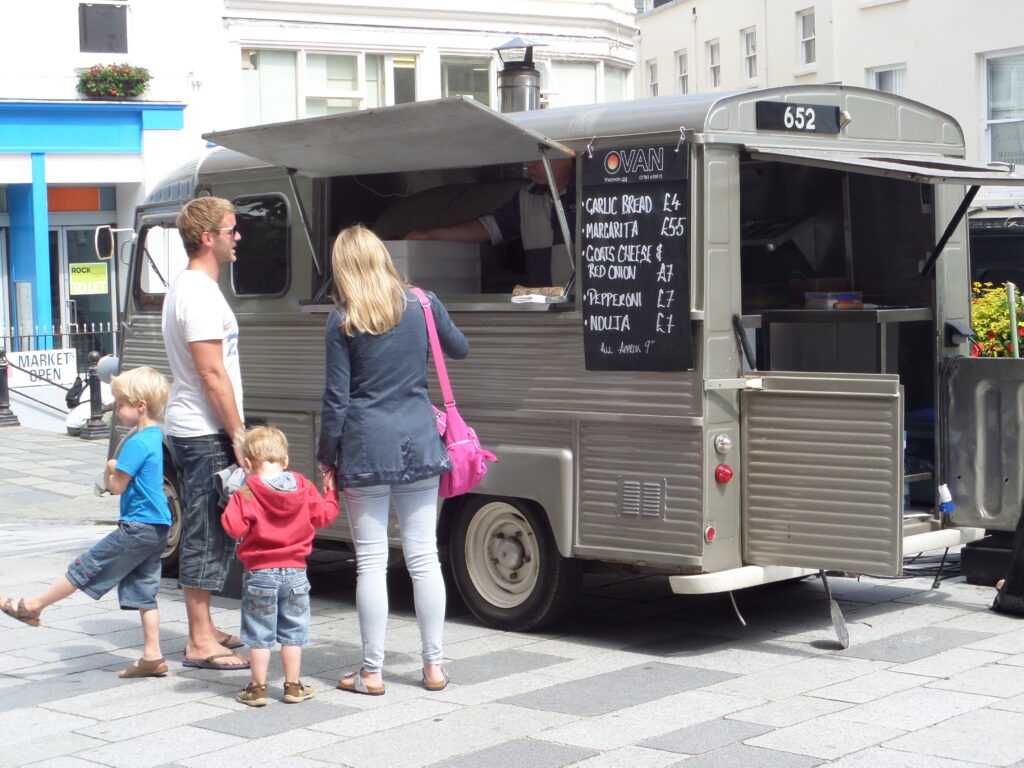
Though the designers hadn’t intended for it, the van’s design gave it another important benefit. With buildings and stores bombed out, the van became a mobile storefront. The side door and low floor meant customers could buy things like a loaf of bread from the street, while the tall body let a baker stand upright and serve customers. 

Commercial sales began in June 1948, just months after the 2CV’s debut at the same Paris Motor Show. The H Van found its customers almost immediately. Bakeries used it to deliver bread before dawn. Market traders loaded it with produce and drove it to the village square. Building contractors packed it with tools. Postal services and fire brigades ordered it in numbers. Specialist coachbuilders were sent the chassis-cab variant to fit cattle-truck bodies, refrigerated units, mobile laboratories, and even ambulances. The platform’s versatility seemed almost limitless.

What is remarkable, in retrospect, is how little the design needed to change. The basic shape introduced in 1947 remained in production, with only minor refinements, for thirty-four years. A single windscreen replaced the original split windscreen in 1964. The rear wing shape was updated in 1969. That was, more or less, the extent of it. The van’s recipe suited tradespeople so well that there was no reason to change it. By the time production finally ended in 1981, just under half a million H Vans had been built across factories in France, Belgium, and the Netherlands. Its legacy is visible in every van that followed. The working van, as the world knows it today, owes its DNA in no small part to what Boulanger and Franchiset designed in post-war Paris.

Today, restored examples still appear at food festivals and street markets across France and beyond, their corrugated flanks repainted in bright colors as they dispense coffee, crêpes, and artisan produce to appreciative crowds. It is a second life that would surely have delighted Boulanger – the van he built to serve the French tradesperson has become a legacy, beloved precisely because it looks like nothing else.

After covering the Citroën 2CV, the Necessity Files series crosses the English Channel to the UK, where another iconic vehicle was produced in the aftermath of the Second World War. As I have researched this series, a common theme has emerged. The Second World War, or rather its effects, had a significant impact on vehicles designed in its wake. Raw material shortages, bombed-out factories and infrastructure, poor or non-existent roads, economic scarcity, and lack of decent employment. Moving people and goods was necessary for the affected countries to recover, but they had few resources to build vehicles to meet that need. Fortunately, human ingenuity is hard to contain. In every country we have covered in this series, we see shining examples of this ingenuity in the vehicles produced during that time.

Compared to Japan and Italy, the UK wasn’t bombed as badly. It had won the war, but economically, it was devastated. The government realized that earning foreign currency through exports was the most important economic activity. So it passed the “Export or Die” mandate, a ruthless policy that let manufacturers receive raw materials (such as steel) if they could prove their products were being exported to earn foreign currency. It was an era of quiet austerity, of making do with limited resources and getting along with it. 

And yet, from this set of constraints emerged one of the most enduring and beloved vehicles in history, the Land Rover Series 1, designed not in a studio but on a farm in Wales.

Several factors, or “necessities,” came together to bring this iconic vehicle to life. 

  • Rover, a luxury car manufacturer, couldn’t find enough buyers for its cars in the UK or overseas. Under the government’s mandate, its steel supply was severely restricted. It needed a product to export to keep its factory running and its workforce employed. 
  • British farmers faced a massive mobility gap. They could use the tractor for farming, but it was unsuitable for road use. Many farmers used the military-surplus Willys Jeeps, but they were expensive to run and difficult to maintain with parts in short supply. Like the farmer’s needs we saw in the story of the Citroën 2CV, they also needed a vehicle they could use in the fields and take to church. 

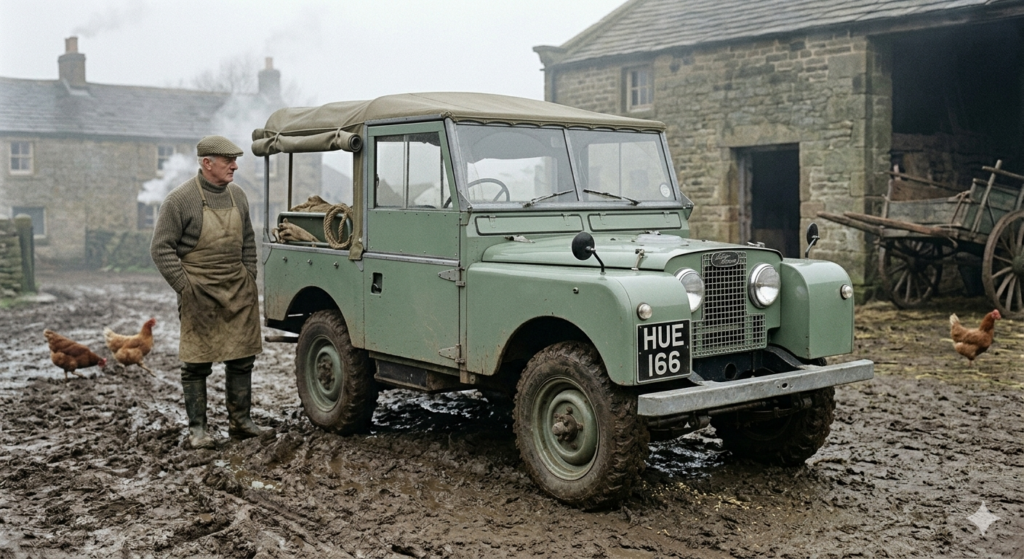
Maurice Wilks was the Chief Designer at Rover in 1947. He also owned a farm on Anglesey in North Wales. Like many farmers at the time, he relied on a Willys Jeep to navigate his land and get through his daily work. His Jeep, like those of most other farmers, was a well-used machine, and Maurice knew it wouldn’t last long. When he looked around for a replacement, a vehicle that was simple, rugged, practical, and capable of handling farm work, he found that Britain had no alternative available. 

This wide gap between what was needed and what was available was the seed of the Land Rover. Maurice took the idea to his brother Spencer, Rover’s managing director. The two quickly realized that this wasn’t just a personal problem; it was a national one. 

A very unconventional choice at the time, which would prove to be one of its greatest strengths in the long term. Even the colors offered were shades of military-surplus green used in aircraft cockpits.

The Wilks brothers were also aware of the government mandate and Rover’s inability to sustain itself with the limited resources (primarily steel) available. The company urgently needed a stopgap solution, and it had to have export potential. 

They decided the answer lay in an all-purpose utility vehicle. And here, as in the other stories in this series, necessity became the mother of invention. With steel in short supply, the brothers turned to aluminum, specifically the surplus aircraft-grade aluminum-magnesium alloy, Birmabright, that was available in abundance after the war. The legacy of an enormous wartime aviation industry provided the vehicle’s primary raw material. The resulting vehicle had a steel ladder chassis and a rust-resistant aluminum alloy body. A very unconventional choice at the time, which would prove to be one of its greatest strengths in the long term. Even the colors offered were shades of “military-surplus” green used in aircraft cockpits. 

Maurice and his team built the first prototype on an existing Jeep chassis using whatever car parts they could find in Rover’s parts bin. To demonstrate its global utility, it featured a centrally mounted steering wheel, allowing it to be sold in any country. The central steering placement did not make it to production due to a lack of practicality, but the thinking behind the choice, i.e., make a vehicle for anyone, persisted. 

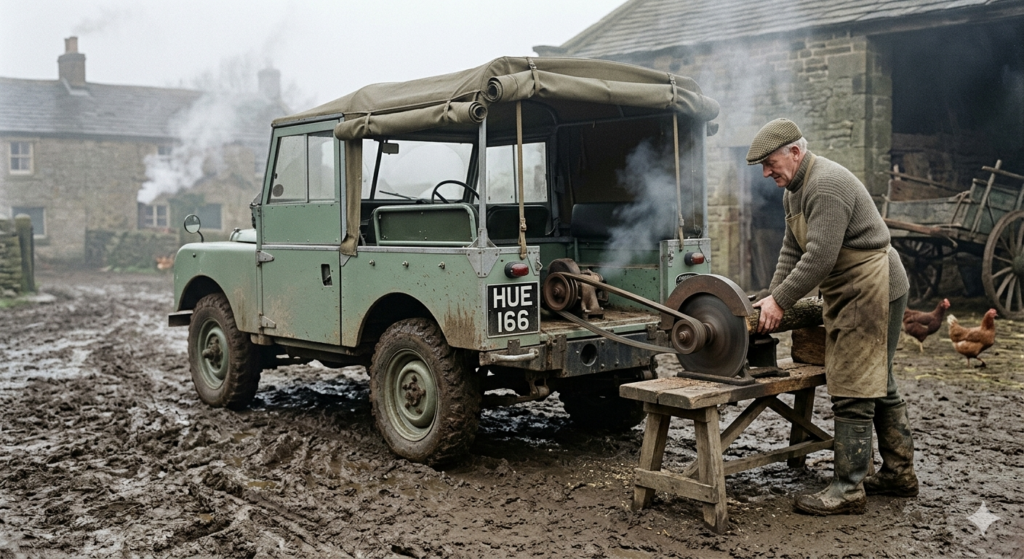
Another interesting prototype feature that made it to production was the Power Take-Off (PTO). The PTO was Land Rover’s secret weapon. By adding a gearbox that could take power directly from the engine to a pulley mounted at the rear of the vehicle, the landrover could power farm equipment such as saws, threshing machines, water pumps, etc. For a farmer, this was a huge benefit. The Land Rover wasn’t just a mode of transportation; it became a mobile power source. It was literally a tool on wheels. 

The Land Rover made its public debut at the Amsterdam Motor Show on 30th April 1948. Unlike the Citroën 2CV, which the press had mocked at the Paris Motor Show, the Land Rover was met with an enthusiastic reception. Farmers, mining companies, and rural businesses recognized it instantly as exactly what they needed. Rover had hoped to sell around 5,000 in the first full year of production. They built and sold 8,000, and the orders kept coming. 

By the end of 1948, the Series 1 was being purchased not just by farmers but also by military and police services and by organizations working in some of the most demanding environments on earth. It was exported to over 150 countries. By 1958, after just a decade of production, over 200,000 had been built. By 1968, total production across all Series models was approaching 600,000, of which more than 70% had been exported.

A vehicle conceived as a domestic stopgap had become one of Britain’s most successful exports. The Land Rover’s story, like the best in this series, is ultimately a simple one. A man needed a tool that didn’t exist. He built it from what was available, with no more complexity than the job required. The result outlasted almost everything else on the road.

In this series, I took you to Japan, Italy, and India in the period after the Second World War and examined how each country’s needs shaped automotive innovations like the Kei Cars, the Vespa and the Ape, and the Hindustan Ambassador and the Premier Padmini. This article starts in 1930s France. Not the France of postcard Paris, with its boulevards and brasseries, but one that stretched beyond the city’s limits. A land of farmers, winemakers, bakers, and craftsmen who lived in villages where the roads were dirt tracks plied by horses and carts. Cars existed, but they were a luxury only the wealthy could afford. In the countryside, they were a rare sight. 

Legend has it that one afternoon, Pierre-Jules Boulanger, the Vice President of Citroën at the time, was stuck on one such muddy track behind a farmer’s horse and cart. While moving slowly in his luxury vehicle, he thought about why the farmer didn’t use a car. What would it take to make a car for a farmer? The question was simple, but the answer would take over a decade, a world war, and an extraordinary act of defiance to come to fruition. We owe Pierre-Jules a debt of gratitude for his role in building affordable cars. 

One legendary detail was that it must be able to cross a ploughed field with a basket of eggs on the passenger seat, without breaking a single one.

Put yourself in the shoes of a farmer in the 1930s who uses a horse and cart as their means of transportation. This is exactly what Pierre-Jules did. The need was clear: he wanted to provide farmers with a car to replace their horse and cart. For this to happen, the car needed to do many things that were easy for a horse but not for a car. For example, it had to drive through fields, carry a sack of potatoes, transport livestock, etc. In fact, the brief that he gave the engineers and designers included exactly these things.

The car had to carry four passengers. It had to transport fifty kilograms of cargo – a sack of potatoes, a barrel of wine, whatever produce the farmer wanted to take to the market. It had to be simple for rural men and women to drive and cheap to own and run. One legendary detail was that it must be able to cross a ploughed field with a basket of eggs on the passenger seat, without breaking a single one. 

A project was created, named the TPV – Toute Petite Voiture, or “Very Small Car.” Pierre-Jules selected a group of engineers with backgrounds relevant to the car’s target customers. These weren’t graduates from top French universities. Rather, they came from humbler backgrounds, having studied while working, often in night schools. He believed this group would bring practical ingenuity that aligned with the car they were tasked with building. 

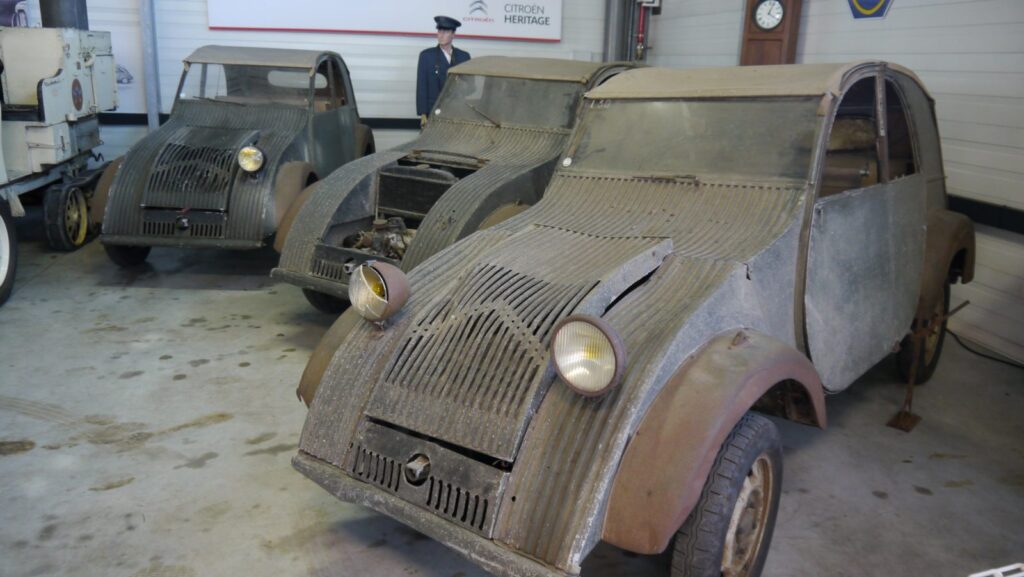
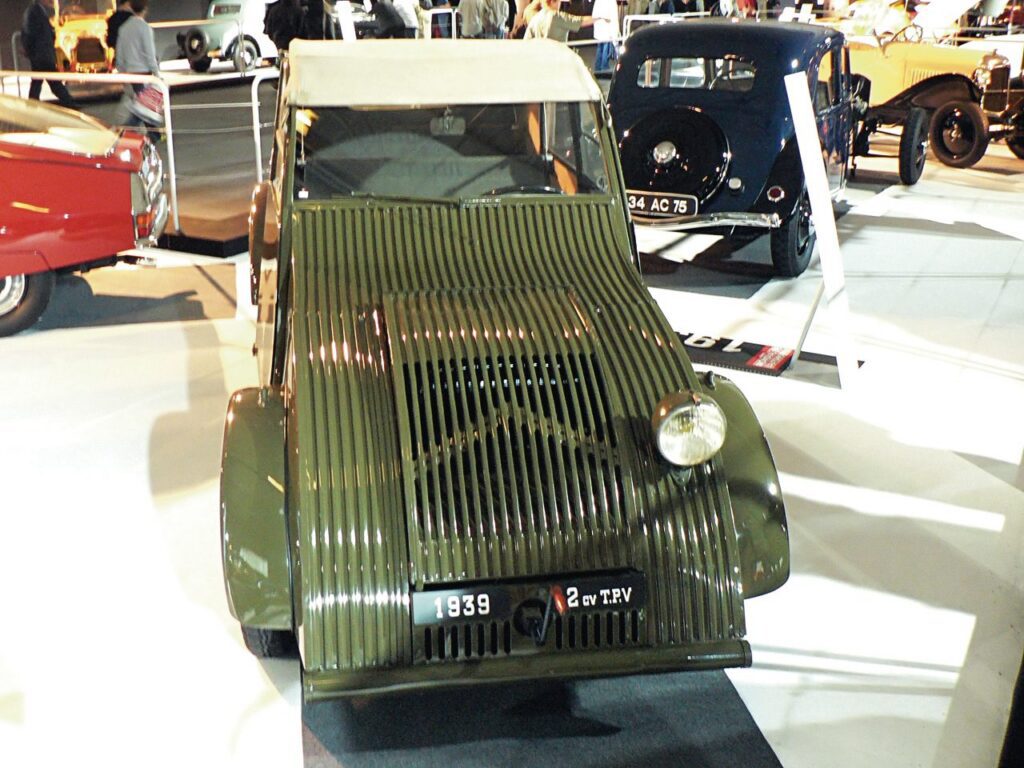
The TPV was ready by 1938. It epitomized minimalism. A single headlight, a body made from lightweight alloy, no exterior door handles, hammock seats suspended from the roof, and a hand-pulled starter were some of the “features” offered. It was all “function” and no “style”. Pierre-Jules planned to introduce it to the world at the Paris Motor Show. 

Throughout the war, he kept the Germans guessing with misdirection and other techniques to the point that he was declared an official enemy of the Reich.

But then, World War II! The world order changed overnight. Paris Motor Show’s cancellation was the least of Pierre-Jules worries. He had greater concerns, most importantly keeping the TPV prototypes out of German hands. He took extraordinary measures to have them hidden across the country – burying some, stashing some in haylofts, and tucking some away in attics. Throughout the war, he kept the Germans guessing with misdirection and other techniques to the point that he was declared an official enemy of the Reich. 

Officially, no work was done on the car during the war, but in the shadows, engineers quietly continued work on it and added several improvements. By the end of the war, the car had evolved considerably. They replaced the lightweight alloy body with thin steel. The engine was redesigned to be an air-cooled, flat-twin unit. The suspension – the most crucial element for the rural conditions – had been reworked completely to better suit the conditions. The Germans remained completely unaware of all this work. 

Finally, the war ended! The team got back together, and they completed the car’s development. At the 1948 Paris Motor Show, a decade late, the Deux Chevaux (2CV) or “two horsepower”, a reference to the contemporary French tax horsepower rating system, was unveiled. Show visitors and the press reacted with immediate disapproval. The car was ridiculed for its looks. Journalists were especially harsh, calling it the Tin Snail or Umbrella on Wheels. 

The target market – the farmers and working families – saw something entirely different. They saw a car that they could afford to buy, run, and fix with minimal tools. They saw a car that could brave roads and muddy fields, but could also drive their families to church on Sundays. This group reacted very positively. Orders for the car started flowing in, soon leading to a years-long waitlist. 

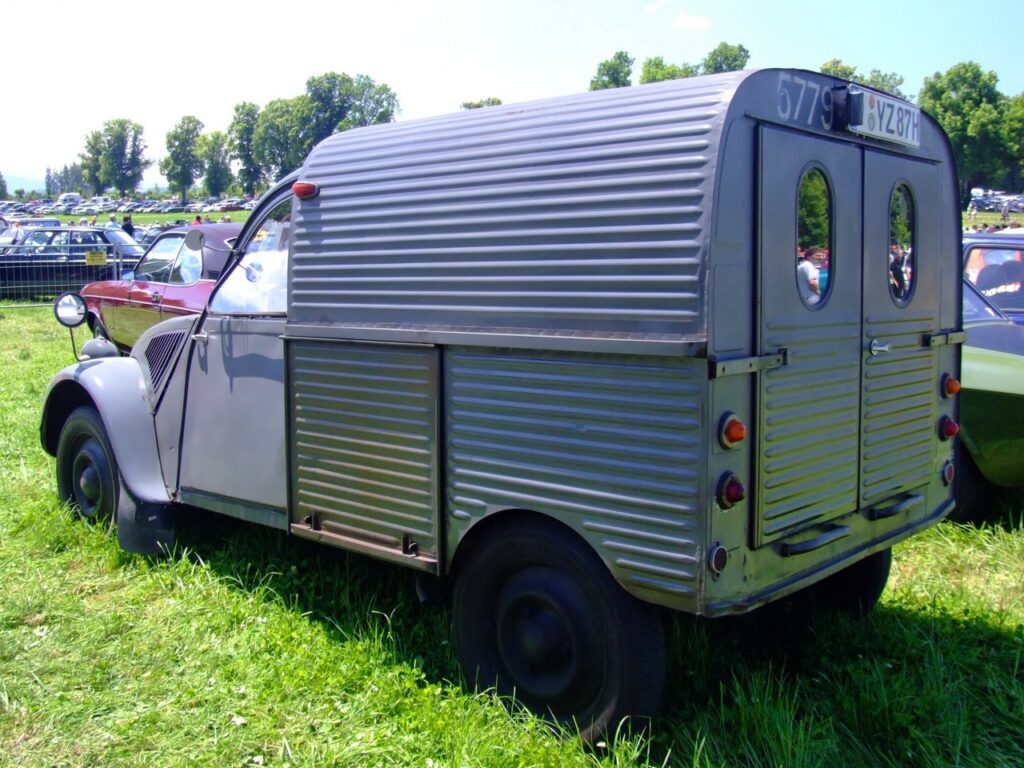
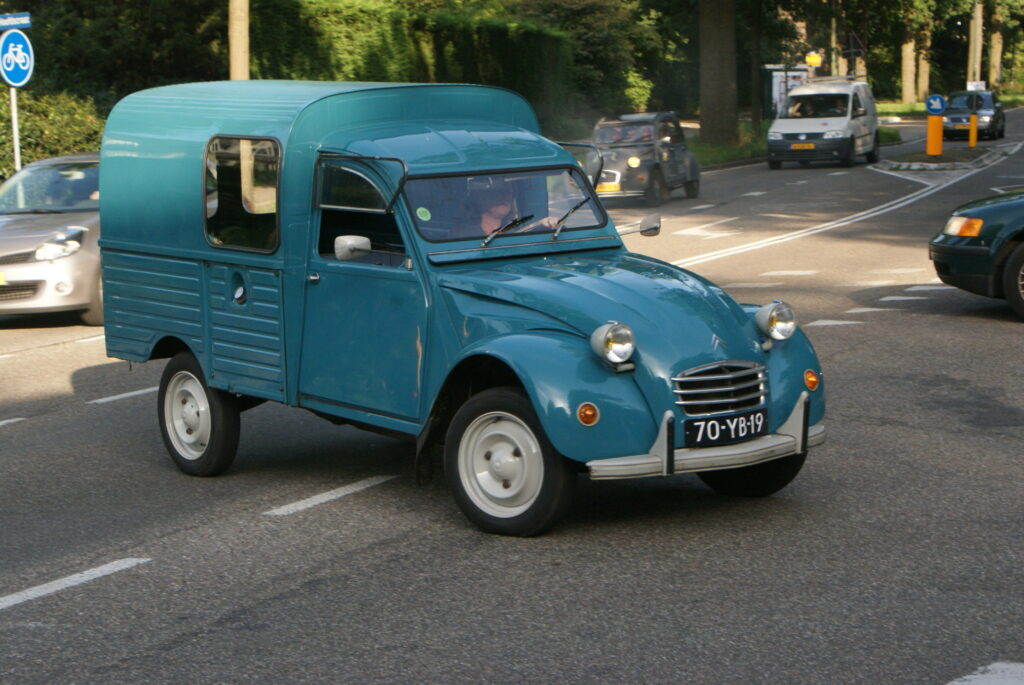
The 2CV customer base kept growing. The platform’s simplicity enabled several variations, such as the Fourgonnette delivery vans, which expanded its potential beyond a family car to truly serve workers. It was exported to countries worldwide. Introduced in 1948, it became even more relevant when the oil crisis hit in the 1970s. In fact, the 1973 oil crisis renewed interest in the 2CV, especially among younger buyers drawn to its frugality. 

Production finally ended in 1990, after 3.9 million units were built. Including all variations, the total was well over nine million. Much like the Model T, the 2CV is one of the best examples of a product introduced because its creator knew it was needed before its buyers did. That knowledge came from an observation on a rainy day on a muddy road: even ordinary people needed a better way to get where they wanted to go. It is one of the most honest reasons to build a car, and it showed in the results.

India achieved independence from the British in 1947, two years after the Second World War ended. Unlike Japan and Italy, India wasn’t destroyed by the war. However, its challenges were similar. While Japan and Italy’s industrial and transportation infrastructure was wiped out during the war, India had little infrastructure in place when it gained independence. Generating employment for the country’s population was one of the top challenges the new leadership faced.

India’s economy during this time was ideologically aligned with socialism. Developing an indigenous manufacturing industry was vital, which required protectionist policies. The country was extremely poor due to centuries of foreign rule. Wasting valuable foreign exchange on a “luxury” like a passenger car was unfathomable, but vehicles were still needed for personal, commercial, and government use. 

The Industrial Policy Resolution of 1956 made a conscious decision to build vehicles domestically with at least 90% local content. This drove out manufacturers such as Ford and GM, which were assembling vehicles with foreign-made components. The government regulation (or overreach) went further. They didn’t just mandate local manufacturing; they even set a quota for how many could be built. As expected, the production capacity limit had unintended (and poor) consequences, but that is beyond the scope of this article.

India’s two major car manufacturers were located at opposite ends of the country. This played a significant role in their adoption.

With foreign manufacturers out of the picture, Indian industrialists were left to address the mobility challenges while staying compliant with regulations. Hindustan Motors, owned by an Indian business family, the Birla group, was already assembling the Hindustan Landmaster based on the Morris Oxford Series II. In 1957-58, they bought the entire tooling for the newer Oxford Series III, brought it to India, and established a new factory in West Bengal. Bringing over the entire factory met the government’s 100% indigenous manufacturing requirement.

In 1964, Premier Automobiles Limited (PAL), which previously assembled Chrysler products, started a collaboration with Fiat to launch the Fiat 1100D. We have already written about Fiat’s influence on the Automotive industry of the Eastern Bloc countries. India also benefited greatly from Fiat’s knowledge sharing over several decades. PAL started manufacturing the 1100D at its Mumbai plant. The 1100D was renamed the Premier Padmini in 1974, but throughout its almost 4-decade life, no one called it that. It was and remains a Fiat. 

India’s two major car manufacturers were located at opposite ends of the country. This played a significant role in their adoption.

Most people growing up in India in the 60s to 80s took their first car ride in an Ambassador. Unless they grew up around Bombay (Mumbai) or the western part of the country, then it was the Fiat.

And for most weddings during the same period, the designated wedding car was an Ambassador. Unless the wedding was in or around Bombay (Mumbai), it was the Fiat.

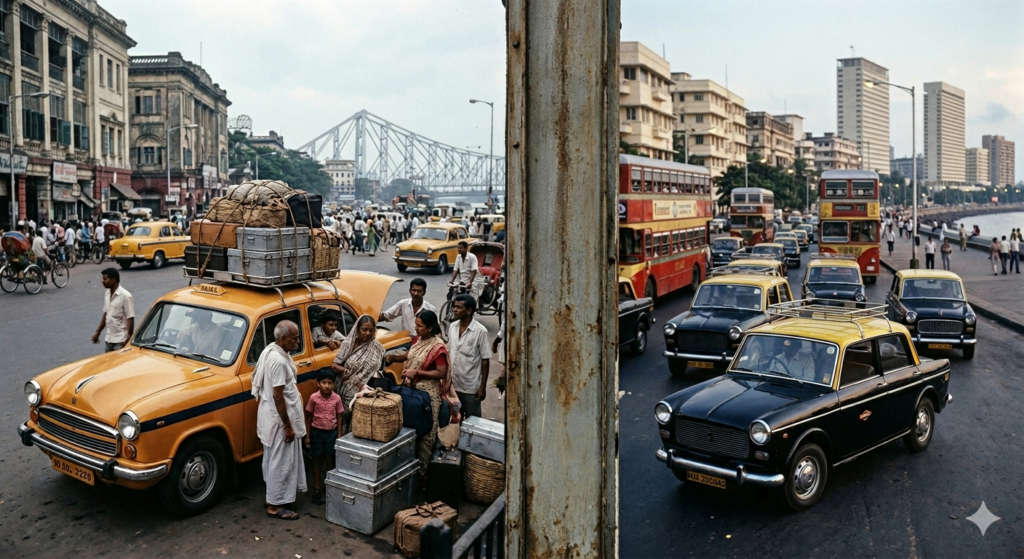
In Calcutta (Kolkata), a taxi would be an Ambassador. In Bombay (Mumbai), it would be a Fiat.

Those who could afford cars, especially larger or joint families, owned an Ambassador. If they were from a nuclear family, it was a Fiat. 

Company cars for official work would be Ambassadors. Senior employees’ private cars were Fiats. And government cars were always Ambassadors. 

While these make great stories, they cannot hide the sad truth: government regulations led to a duopoly.

From the comparisons above, you can see that the Ambassador and the Premier Padmini met India’s unique set of requirements (or necessities) in their own way. 

Both these cars were fairly simple in design and construction, but also rugged, ensuring they could survive the country’s universally poor roads and be repaired cheaply anywhere. I remember a personal story of the Ambassador from January 1988. Eight of us took a cross-country trip for a family wedding. The car was loaded with stuff for the wedding – not just in the trunk but even on the overhead carrier. We were driving through an area that was under the planned submergence zone of a dam, which meant there was no road – just rocks and gravel for miles. Soon, a rock punctured the car’s oil pan. The driver was unnerved. He inspected the damage, took out his bar of washing soap and his handkerchief, beat them together into a ball with a spanner, and plugged the hole. This arrangement worked for over a month and hundreds of miles until the car returned to its original location. 

There are unlimited stories of these cars’ ruggedness. While these make great stories, they cannot hide the sad truth: government regulations led to a duopoly. The Indian people suffered with poor-quality vehicles and no recourse for customer service. It wasn’t until 1983, almost three decades later, that the Suzuki Alto, known as the Maruti 800, launched, giving Indians access to a better, more modern vehicle. 

Today, the Indian automotive industry is one of the most competitive in the world, with almost all leading global brands present. The new generation of Indians would never see an Ambassador or a Padmini, but their role in putting the country on wheels is undeniable.

In a recent article in the necessity series, I wrote about how Kei Cars played an important role in Japan’s post-Second World War reconstruction. Japan needed a simple, cheap, and reliable way to transport goods and people because of severe resource and financial constraints. Kei cars made it possible. 

In Europe, Italy was in a similar situation. As an Axis power, it had suffered significant damage during the war. Though the extent of the damage wasn’t as devastating as that of Germany or Japan, a large part of the country’s infrastructure, like rail yards, ports, and factories, was destroyed. So, like Japan, the end of the war was followed by an immediate need to rebuild the country. 

Interestingly, in Italy, a multitude of coincidences (or necessities) came together to produce not one but two iconic vehicles that fulfilled their purpose so well that they gained worldwide affection for their simplicity, affordability, and reliability. These vehicles were the Vespa Scooter and its sibling, the Ape three-wheeled goods carrier. 

Think about it; the Vespa was born because Piaggio had to stop manufacturing airplanes.

First, Piaggio, the renowned aircraft manufacturer known for bombers, fighter planes, and powerful engines during and before the war, was banned from building military aircraft as part of post-war prohibitions on Italy. It had a large roster of engineers, designers, and workers who needed work. It needed a pivot, and fast. 

Second, People needed a means of transportation that was cheap to buy and economical to run. In a war-ravaged country, very few could afford cars. 

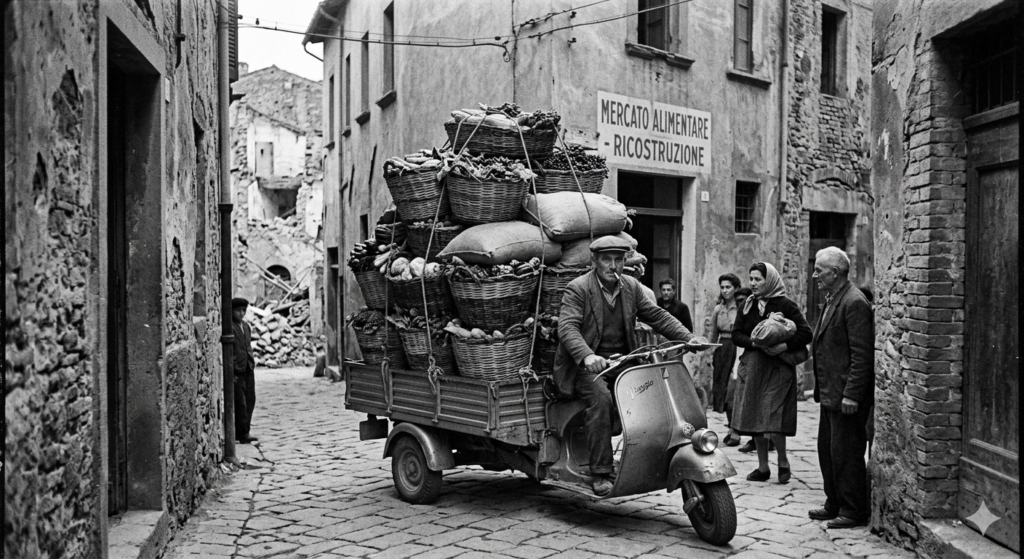
And finally, the rebuilding effort required moving goods. Small business owners, such as bakers, farmers, and building contractors, who needed to transport their goods, didn’t have the money to invest in a four-wheeled vehicle, let alone buy fuel. Another challenge was that commerce in Italy took place in medieval town centers, with narrow, winding streets that even the smallest pre-war trucks found hard to navigate. 

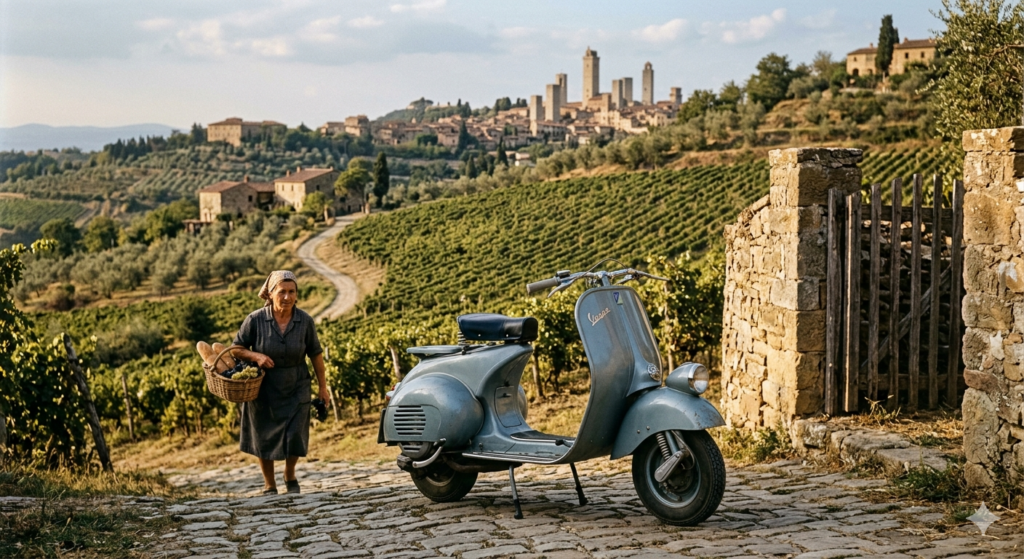
This triple necessity of industrial survival, personal mobility, and goods transportation led Piaggio to launch the Vespa in 1946, followed by the Ape in 1948. Enrico Piaggio, from the founding family, tasked aeronautical engineer Corradino D’Ascanio with designing a new mobility solution. Thankfully for the world, D’Ascanio hated motorcycles. He used his aircraft-design background to create the Vespa.

Think about it; the Vespa was born because Piaggio had to stop manufacturing airplanes.

D’Ascanio leveraged his aeronautical experience to bring several aircraft features to the humble Vespa. The major ones are the monocoque (unibody) design, aircraft-derived handlebar gear shifter, and landing-gear-based front suspension, which allowed quick wheel changes. The result was a comfortable, easy-to-ride vehicle.

Vespa means a Wasp, happily buzzing around town, perhaps sounding like one. Ape, meaning “Bee”, reflects its hardworking nature.

In a market used to motorcycles, this odd-looking two-wheeler with small wheels looked “unmanly” and didn’t find immediate favor. Apart from its looks and shape, folks couldn’t imagine it safely navigating the bombed-out roads. However, after a very slow start, sales eventually increased, making it one of the most successful vehicles ever. The Vespa is such an important vehicle in automotive history that it deserves its own story, and we will cover that soon. For now, we will recognize its role in providing an economical means of transportation globally and move on with this article. 

By 1948, Vespa had begun to see some success. Piaggio then shifted its focus to moving goods and supplies across Italian villages and towns still reeling from the war. As we wrote earlier in the article, the Italian market and roads were not conducive to even small trucks. Once again, Corradino D’Ascanio was entrusted with finding a solution 

Given the financial constraints, it wasn’t possible to invest in full-scale R&D to develop a new solution. D’Ascanio had to work with what he had, and he did. The Vespa became the “donor” vehicle. D’Ascanio mated the front end of the Vespa to a simple two-wheeled rear axle with a flatbed, and the Ape (Ah-peh) was born. The vehicle names were ingenious, too.

Vespa means a Wasp, happily buzzing around town, perhaps sounding like one. Ape, meaning “Bee,” reflects its hardworking nature. 

Motorcycles with sidecars were popular before and during the war. But rather than follow the same concept, D’Ascanio fitted a real rear differential with a chain drive, letting it navigate the twisty hills of Italian towns and villages with ease. The engine and transmission were toned down to focus on torque over speed, so the Ape could carry a load of goods up the winding roads without breaking a sweat. 

Similar to the Vespa, the original Ape had an “open-air” seat for the driver. As Ape gained significant adoption, a cabin was added for the driver, making it an all-weather vehicle. 

Both the Ape and Vespa played vital roles in economic recovery, serving customers worldwide. In India and Southeast Asia, they became essential workhorses, lifting millions out of poverty. 

The story once again exemplifies how a necessity (three, in this case) led to innovations that have continued to improve people’s lives for decades.

Imagine being transported back in time to Japan, soon after the end of World War II. You are placed in a charcoal-stained land. There is destruction everywhere. The country is nearly destroyed. Its industrial infrastructure has been reduced by half. Major cities like Tokyo and Osaka are largely burnt out. Hunger is a real problem. Clothes and belongings are being traded for sweet potatoes. Public transport has been reduced to ashes. Your only modes of transportation are on foot or by bicycle. If you own a business, you strap a military surplus generator engine to a bicycle for transportation. 

People are exhausted. But the fear of war is over, and there is a universal desire to rebuild. The government realizes the need to move goods to restart the economy. The challenge is a severe shortage of fuel and raw materials. Real trucks are too expensive to build. More importantly, the steel needed to build them simply doesn’t exist. There is another constraint, one that actually becomes a favorable factor: most of Japan’s habituated areas are dense, with narrow roads and alleyways where larger vehicles just won’t fit. Japan is in the midst of a historic space-and-money crisis, and the answer is, surprisingly, geometrical. 

Essentially, the government was telling manufacturers to create a motorcycle with a roof. The limits, though seemingly imossible, worked because they turned scarcity into a design contraint.

The solution can’t wait. The government wants entrepreneurs to solve the mobility challenge and use resources optimally. So they do what governments do best – they regulate. They passed legislation that created a bridge between motorcycles and full-size vehicles. 

In 1949, the first set of standards was released, limiting the vehicle engine size to 150cc for four-stroke and 100cc for two-stroke, and vehicle length to 2.8 meters. Essentially, the government was telling manufacturers to create a motorcycle with a roof. The limits, though seemingly impossible, worked because they turned scarcity into a design constraint, forcing designers and engineers to use the resources that were abundant in comparison – scrapped aircraft parts and motorcycle engines.

While manufacturers did their best to navigate these constraints, the government soon realized that the limits were overly strict. The first revisions came just a year later, with engine sizes increasing to 300cc and 200cc, respectively. The following year, they were revised again to 360cc and 240cc, and finally to 360cc for both engine types in 1955. This was the tipping point when the small-car movement really took off, giving rise to a generation of small cars, or “Kei Cars,” as they are universally known. 

The government really wanted people to adopt these vehicles. The economy needed to move forward. So, they provided several incentives, essentially creating a “Light Vehicle” tax class for such cars. As long as the cars stayed within the allowed dimensions, the owner could claim generous tax breaks and cheaper insurance. They also relaxed the requirement that owners prove they have a dedicated parking space for the vehicle. These incentives spurred adoption by making the “My Car” dream achievable for the average family. 

Subaru, a brand known globally for reliable cars with its signature flat engine and all-wheel-drive layout, emerged from the Kei Car revolution. It produced perhaps the first popular Kei car, the Subaru 360, lovingly nicknamed the Ladybug for its shape. It had a small, air-cooled, two-stroke 356cc engine, coupled to a three-speed gearbox, producing only 16 horsepower. Compared to modern cars, it was tiny – only 2.9 meters in length- but it offered seating for four people. The Ladybug saw massive success, encouraging other brands to produce Kei cars as well.

While these cars provided personal transportation for people and families, the real heroes of the movement were the Kei trucks.

While researching and writing this article, I couldn’t help but compare Japan’s strategy to that of post-war Eastern Europe, particularly East Germany, where the Soviet-influenced government faced similar shortages of raw materials and fuel. Their solution was the Trabant. Although larger, it was similar to the Kei cars in many ways. An air-cooled, two-stroke, two-cylinder, 600cc  engine producing 23 horsepower. Lack of steel led to a body made of Duraplast (a plastic). The major difference, however, was that Japan wasn’t under Soviet rule, and manufacturers were free to innovate. So while East Germany continued producing the same Trabant configuration until 1989, Japan emerged as a global automotive leader. 1989 marked Germany’s reunification, the beginning of the Trabant’s demise, and the launch of Lexus. 

Returning to Kei Cars, while these cars provided personal transportation for people and families, the real heroes of the movement were the Kei trucks. As Japan rebuilt, moving goods became one of its most urgent needs. In the aftermath of the war, Japan’s roads were mostly narrow, dirt-packed paths between ruins. There were many examples of “American Surplus” trucks left behind, but they weren’t suitable for such roads. Local merchants needed a tool for survival (a truck), not a luxury (a car). 

These trucks not only provided transportation; they also helped lift the country’s optimism.

Small-vehicle legislation also encouraged the development of Kei Trucks. The first wave was in the form of small three-wheeled vehicles (think the Piaggio Ape, the Tuk-Tuk from Southeast Asia, or the Auto-Rickshaw from India). These vehicles were nicknamed the “City Helicopters” because they could “land” in tiny spaces and navigate through tight traffic. The Daihatsu Midget kick-started the movement in 1957. In its first year, it sold 80,000 units, an unimaginable number for the time. It highlights how hungry the merchants were for such a vehicle.

The Midget’s success led Maza to introduce the K360 in 1959. In just two years, it captured nearly 50% of the light truck market. Kei trucks soon graduated to 4-wheeled vehicles, with every manufacturer introducing a model. Notable models included the Daihatsu Hijet, the Subaru Sambar, the Suzuki Carry, and the Honda T360. 

These trucks not only provided transportation; they also helped lift the country’s optimism. Within a few years of their launch, city and village streets were buzzing with Kei trucks doing their jobs. As more businesses bought these trucks, they signaled to everyone around them that things were looking up, motivating people to be part of the country’s revival. 

There’s so much more that could be written about the Kei Cars. For example, how new regulations in the 70s almost killed them, how the manufacturers arrived at a Gentlemen’s Agreement to limit them to 63 horsepower, how body styles like the “Tall Boy” emerged to take advantage of vertical real estate, and how companies figured out a way to make “pocket rocket” versions of these cars. I could even talk about how Kei trucks are gaining popularity in the US, with dealerships now in several cities. But for now, we will limit this article to the topics already covered. 

I hope you enjoyed reading about them. More articles in the Necessity Files series will cover innovations from around the world. So keep reading and sharing.

Recently, we wrote about Fiat’s influence on the automotive industry of the Eastern Bloc. Italy’s proximity to the Eastern Bloc, the influence of its local communist party (PCI), and Fiat’s willingness to work on flexible financing terms helped the USSR and several satellite nations establish domestic vehicle manufacturing. The impact of the partnership was massive. It provided personal transportation for the population of these countries and earned them extremely valuable foreign currency.

Another Western European manufacturer had a similar impact on a much broader scale, literally. Renault, the French automotive manufacturer, established licensing agreements with Argentina, Spain, Romania, and Turkey. Renault was also a contender for a small car project in India, but that collaboration went to Suzuki in the early 1980s. 

Renault offered two benefits: a licensing agreement to assemble and then manufacture cars locally, and the perceived stability of a state-owned enterprise.

But why Renault? The post-World War II era saw many American and Western European manufacturers produce good cars. What did Renault bring to the table that the others didn’t? The war had severely damaged much of its infrastructure, and it lacked the financial strength of American Manufacturers. The Renault Paris plant was the target of the largest single bombing squadron during WWII in March of 1942, with bombings continuing until September of 1943. As a result, Renault was devastated and needed to rebuild its factories after the war, requiring significant investment.  Even with this knowledge, why did these countries choose Renault as their partner? 

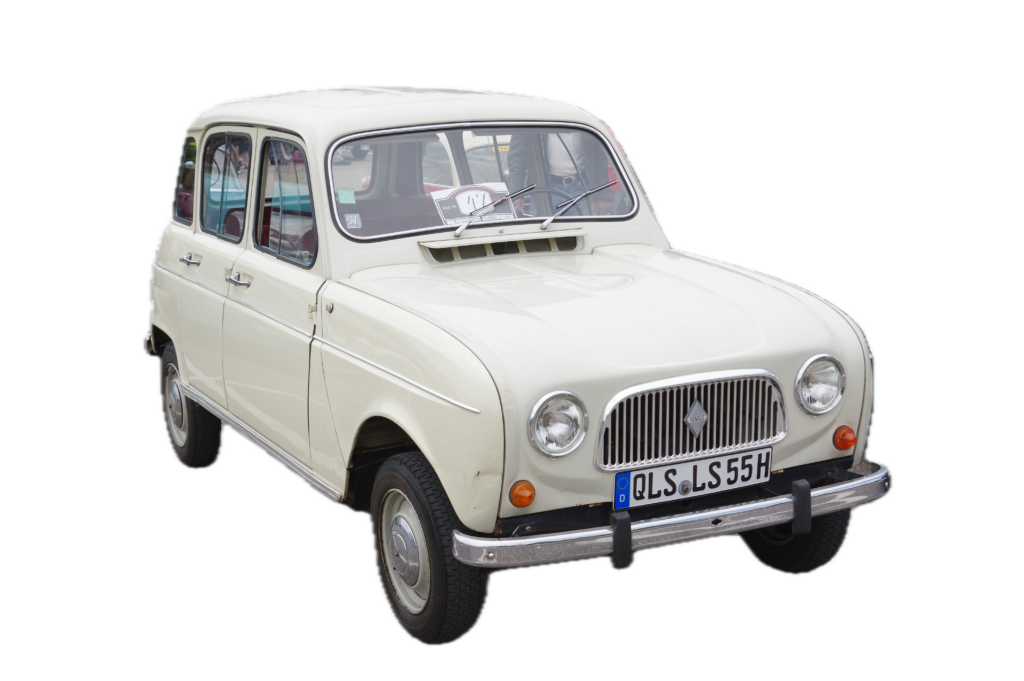
Public policy is a good answer to the question. In January of 1945, amid ongoing political turmoil, Renault was formally nationalized and placed under the leadership of Pierre Lefaucheux, a leader of the French resistance and an engineer with a strong understanding of management principles. For a state-owned firm, political pressure is a part of life. Lefaucheux somehow managed to circumvent it and produce cars that led Renault to a remarkable resurgence. The 4CV, launched in 1946, was a massive success, winning the moniker of the French People’s Car. Its success enabled Lefaucheux and Renault to launch many more successful models. 

Renault had also mastered manufacturing small, simple, reliable vehicles that perfectly met these countries’ needs.

Returning to public policy, when the countries listed above began planning for automotive manufacturing, their objective was mass motorization, i.e., building a People’s Car. They also preferred to retain control of the manufacturing units. Private, well-established manufacturers, like those in America, had sufficient financial strength to set up their own subsidiaries without external help, but that went against these countries’ intent. Renault offered two benefits: a licensing agreement to assemble and then manufacture cars locally, and the perceived stability of a state-owned enterprise. Renault had also mastered manufacturing small, simple, reliable vehicles that perfectly met these countries’ needs. 

The arrangement also benefited Renault. First, it was financially safer because its investment was small. Second, licensing its blueprints and parts earned royalties, i.e., valuable currency after the war, which France needed to rebuild. In the long run, Renault emerged as the main beneficiary of these arrangements. Starting with a licensing agreement, it ended up owning three of the four ventures and taking a majority stake in the fourth, providing it access to large markets served by low-cost manufacturing bases. 

🇪🇸 Spain (FASA-Renault):

Spain emerged from the civil war under Francisco Franco’s regime and soon faced the dilemma of whether to participate in World War II. Although Spain largely remained neutral in WWII, the war left most of the population poor. Post-war Spanish consumers needed a simple and economical car. The isolated regime’s economy relied on the Import Substitution Agreement, which required local assembly or manufacturing. 

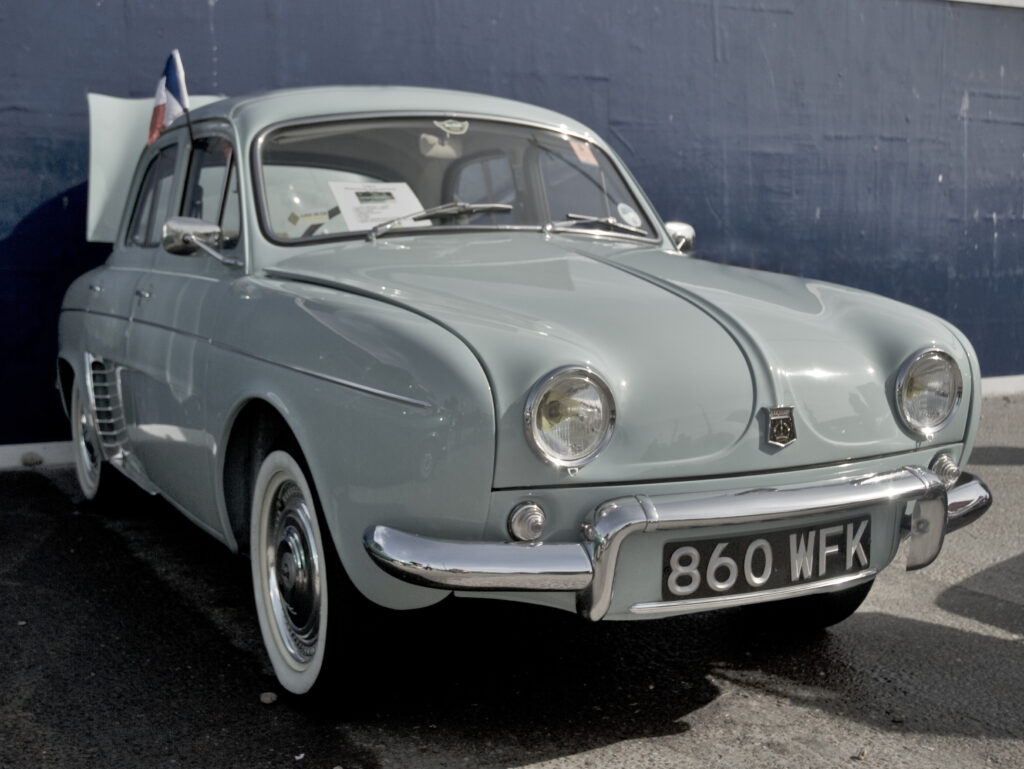
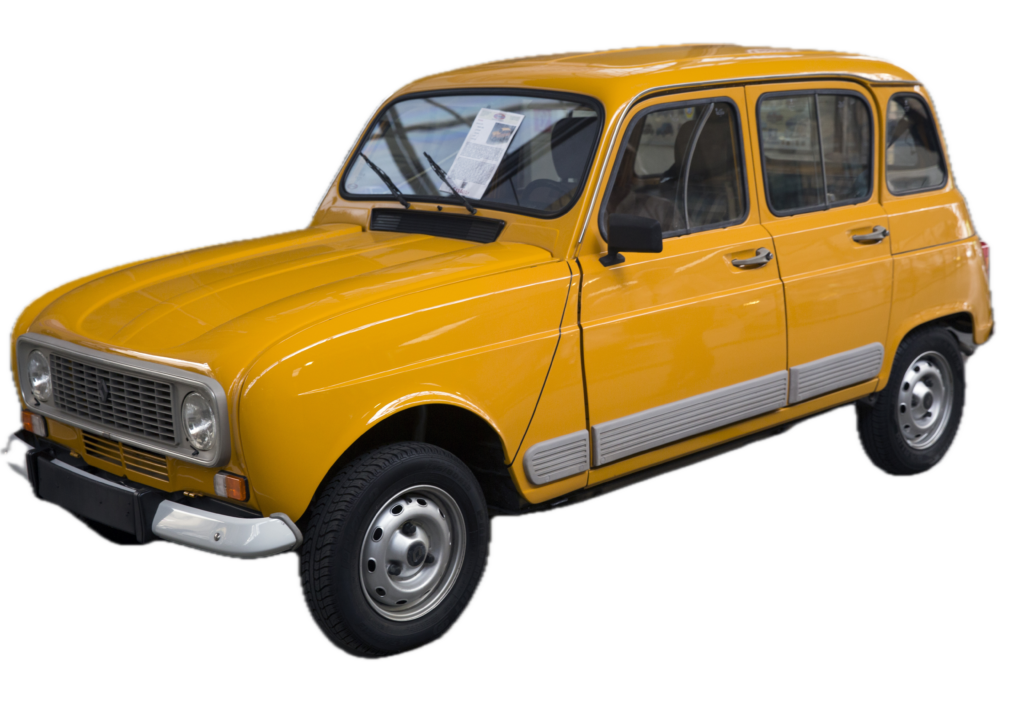
These conditions matched what Renault offered, leading to its first international collaboration in 1951: a pure licensing agreement with a local entity called FASA (Fábrica de Automóviles S.A.). Renault’s early post-war models, the 4CV and the Dauphine, were perfect fits for the Spanish consumer’s needs. They were cheap to manufacture and easy to maintain. The deal started with the local assembly of the 4CV in 1953, gradually transitioning to full local production under government-mandated targets. Renault subsequently brought the Dauphine, Renault 4, and Renault 5 to Spain as well. 

The collaboration had a deep impact on the mass motorization of the Spanish population. FASA-Renault remained Spain’s dominant car manufacturer for decades. Later, Renault increased its stake and eventually bought the remaining Spanish stake to integrate it fully into the Renault group. 

🇦🇷 Argentina (IKA-Renault)

Argentina had a state-led industrial policy that required domestic car manufacturing. In addition, the existing domestic firm, IKA (Industrias Kaiser Argentina), was struggling and needed a lifeline. IKA produced some American cars but desperately needed a modern, smaller vehicle to serve the mass market and save itself from financial trouble. 

Once again, Renault’s vehicles, like the Dauphine and Renault 4, were well-suited for Argentina. Renault also saw this as a strategic opportunity to enter the massive South American market. In 1959, IKA started the licensed production of the Renault Dauphine. Later, Renault introduced the Renault 4 and then the successful Renault 12. 

Renault began acquiring a stake in IKA in 1967. In 1975, despite political volatility, protectionist policies, and currency challenges, Renault Argentina took full ownership of the operation. It remains a key part of Renault’s Latin American presence. 

🇷🇴 Romania (Dacia)

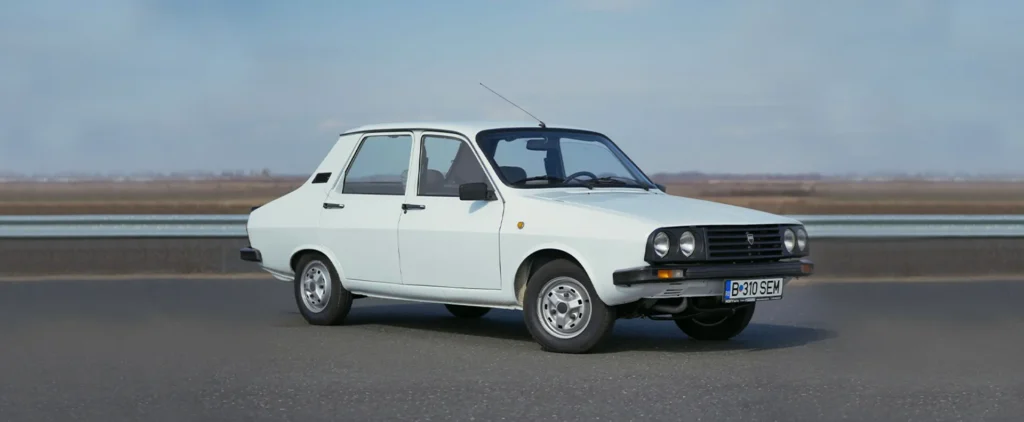
We have extensively covered Renault’s role in Dacia in this article, so we won’t go into much detail here. To summarize, Dacia was also a state-owned enterprise created to provide Romanian citizens with modern, affordable personal transportation. After signing a licensing agreement in 1966, Dacia began local assembly of the Dacia 1100 (Renault 8) and graduated to the Dacia 1300 (Renault 12) by 1972. 

In 1978, the licensing agreement with Renault ended, and Dacia switched to 100% indigenous production. In the years that followed, Romania underwent severe austerity measures, leading to widespread dissatisfaction and ultimately a revolution that ended communist rule. Renault soon acquired Dacia, and it has since become Renault’s most profitable manufacturing hub. 

🇹🇷 Turkey (Oyak-Renault)

Turkey’s needs were similar to those of the other countries with which Renault had partnered – a modern, reliable car for the middle class and a manufacturing unit to generate local employment. However, unlike in Spain, Argentina, and Romania, Renault entered Turkey through a joint venture (JV) with OYAK (the Turkish Armed Forces Pension Fund) in 1969. By then, Renault was well established and financially secure. OYAK was also a stable entity with local support and could navigate the regulatory system easily. These factors encouraged Renault to pursue a JV rather than the traditional licensing model. 

Renault initially held a 44% stake, which it later increased to 51%. The venture established a large, modern automobile manufacturing facility in Bursa, making it one of Turkey’s largest industrial enterprises. Automobile production began with the Renault 12 in 1969. This was already a highly successful model and, as expected, soon became popular in Turkey. The JV expanded in 1985 to produce more modern models, such as the Renault 9, and later built the R11 and Clio.  

The Bursa plant played a key role in transitioning Turkey into a full-scale car manufacturer and exporter. The plant exported cars to over 70 countries. Turkey also allowed Fiat to enter the market through another venture, Tofaş, around the same time. With the two European rivals competing for local share, both brought in their latest technologies and kept the offerings fresh. This benefited Turkish customers and also its export aspirations.

Post World War II, Europe was divided into two parts. Countries directly under Soviet Rule or influence formed the Eastern Bloc, governed by communist regimes and following a Socialist Economy. Countries behind the Iron Curtain, as they were referred to, sought to establish close ties and supported each other through the formation of the Comecon (Council for Mutual Economic Assistance). On the other side were the Western countries – independent democracies with capitalist economies. 

The Eastern Bloc nations recognized the need to provide citizens with means of personal transportation. The economic system, however, limited the investments that they could make in building a thriving automotive industry.

During the decades following WWII, Western countries made tremendous technological advances, driving rapid economic growth. The Eastern Bloc, by contrast, struggled to balance providing a uniform standard of living for its citizens with fostering technological advancement under state ownership. Its four-decade lifespan was dented by stories of the struggles the people faced in daily life and an undercurrent of dissatisfaction with the system that ultimately led to revolutions in many countries and the collapse of the whole model by the early 1990s. 

Citizens’ dissatisfaction with their country’s overall economic state stemmed from many factors. In my view, one critical issue was the poor selection of automobiles available to the general public. Germany was the most blatant example – imagine living in East Germany, where the only car you could buy was the Trabant after waiting in line for over 10 years, while your friends and relatives living in the West had access to the world’s finest selection of cars, motorcycles, and trucks. The situation in other Eastern Bloc nations wasn’t much different, but at least the vehicles available to them were better than the Trabant.

Eastern Bloc nations recognized the need to provide citizens with personal transportation. The economic system, however, limited the investment that they could make in building a thriving automotive industry. The geopolitical situation and the shortage of foreign currency also limited the types and amounts of trade these nations could conduct with their Western counterparts. As a result, these countries could only afford to manufacture a single car with a basic powertrain and features. 

With limited in-house expertise, foreign collaboration was their only way to access technology. But they couldn’t just go and ask any Western manufacturer to work with them. On both sides, acceptance of communist principles was the biggest sticking point. Most Western nations staunchly opposed communism and weren’t willing to work with the Eastern Bloc. The Eastern Bloc nations shared similar principles: they would work only with countries where opposition to communism wasn’t deeply rooted.

Italy had a long history of maintaining relations and trade with the USSR. It recognized the Societ government as early as 1924 and began establishing trade agreements in the 1930s.

Unless a country was willing to look beyond the communist ideology, which meant asserting some level of independence from the USSR, it couldn’t find a suitable partner to help build its automotive industry. Some, like Romania, did take that route by partnering with Renault to launch Dacia. For the others, this wasn’t a viable route. Fortunately for them, one Western country had a comparatively strong local communist party, and it also produced reliable, economical cars. That country was Italy, and the manufacturer was Fiat. It is no surprise, then, that Russia, Poland, Yugoslavia, and Bulgaria (though only briefly) established collaborations with Fiat to produce cars for local consumption and for export to earn foreign exchange.  

Among the Western countries, Italy had the largest and most influential Communist Party (PCI). Given Russia’s role as the epicenter of post-war colonialism, PCI maintained close ties with Moscow. Italy had a long history of maintaining relations and trade with the USSR. It recognized the Soviet government as early as 1924 and began establishing trade agreements in the 1930s. With that background, the USSR trusted Italy more than any other Western country. 

Fiat’s president at the time, Vittorio Valletta, leveraged this relationship to ensure the USSR felt comfortable working with a large Italian corporation. While the major US-based companies faced strict government restrictions on exports to the Eastern Bloc, Fiat successfully argued that the machine tools it needed were solely for civilian car production. The arrangement was framed as an instrument to soften the Soviet regime by exposing the general public to consumerism. 

Fortunately, Fiat also produced cars well suited to the Eastern Bloc’s needs. For example, the simple, rear-wheel-drive cars like the 124 and 125 were cheap to manufacture and easy to maintain. They could be easily customized for the local road conditions. For countries just starting to mass-produce automobiles, these cars were ideal. The early success with Zastava in 1954 had provided a playbook for setting up local manufacturing and assembly in other countries. For the cautious Soviet planners, who couldn’t afford to take many risks, this was the perfect solution. 

Fiat’s willingness to support the Eastern Bloc and the Eastern Bloc’s reciprocal faith in Fiat were the cornerstones of these countries’ automotive history.

Financial flexibility was another hurdle. The Soviet Union and its allies lacked hard Western currency. Fiat was willing to work with payment structures that others would refuse to accept. For example, Fiat agreed to be paid partly in raw materials, such as Soviet steel. Fiat and the Italian government also offered favorable credit with low interest rates to help the Soviets fund the tooling and construction of the immense AutoVAZ plant.  An example of this arrangement was that they could pay Fiat by exporting Russian Lada cars to Western countries, such as the UK. All other countries demanded cash up front, which the Soviets lacked. 

Fiat’s willingness to support the Eastern Bloc and the Eastern Bloc’s reciprocal faith in Fiat were the cornerstones of these countries’ automotive history. Fiat engaged in large-scale technology transfer, making it the single most influential Western company in building the automotive industry in these countries. Before I conclude this article, let us have a quick look at Fiat’s footprint behind the Iron Curtain. 

Lada (AvtoVAZ), USSR

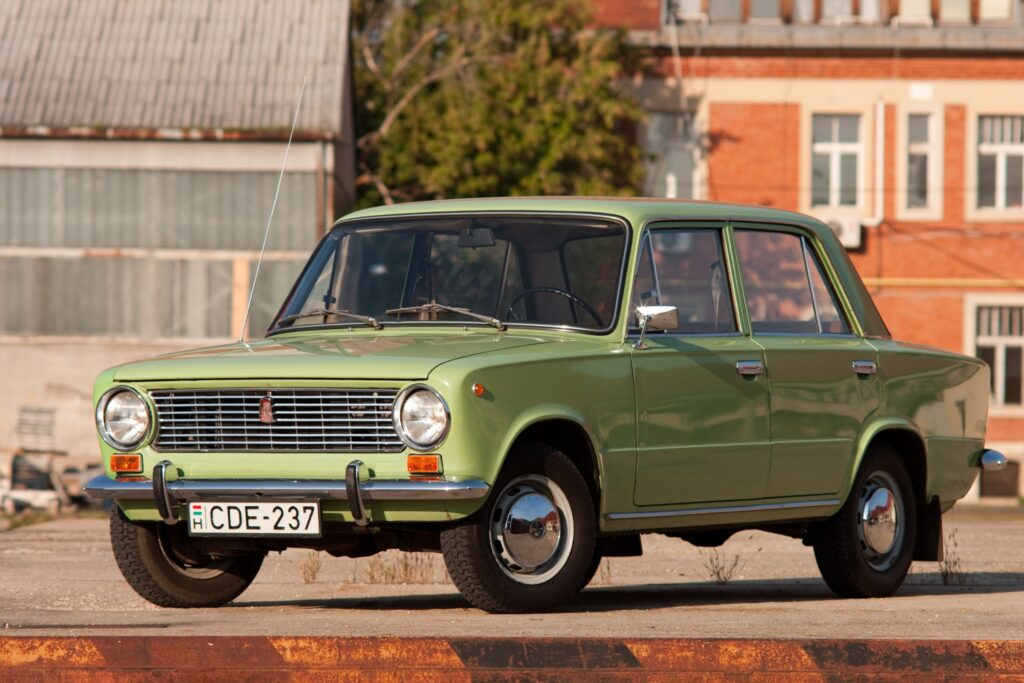
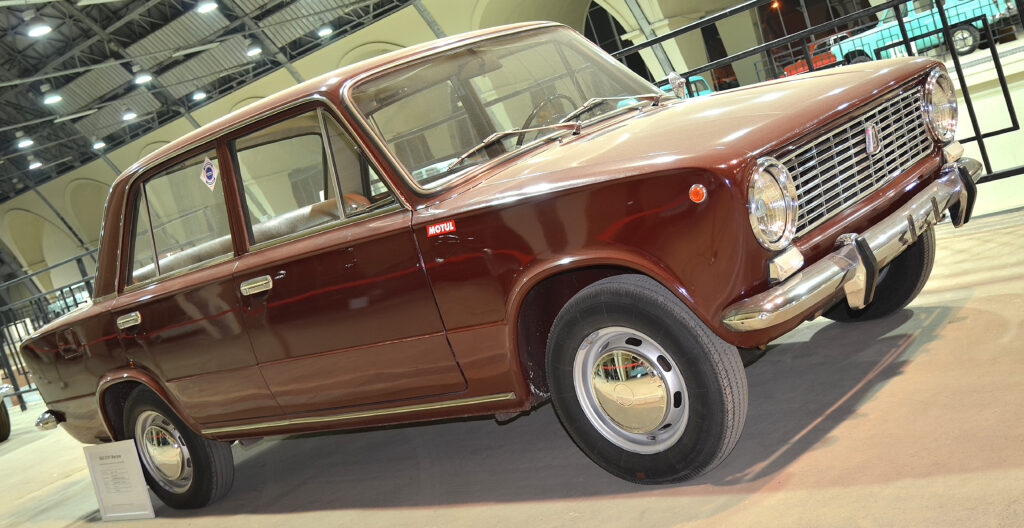
The collaboration between Russia and Fiat on the Lada was the largest technology-transfer deal of the Cold War between the East and the West. The core model was the VAZ-2101 “Zhiguli”, based on the Fiat 124 (1966 European Car of the Year). It was also exported to Western countries as the Lada 1200/1300. As a testament to this collaboration, the city where the Lada factory was built was renamed Tolyatti after Palmiro Togliatti, the long-time head of the PCI.

The VAZ-2101 underwent hundreds of modifications to meet Soviet requirements, such as thicker body steel, a taller suspension for higher ground clearance, drum brakes at the rear for better reliability in mud and dirt, and a redesigned overhead-cam (OHC) engine that was more robust than the original unit offered in the Fiat. 

Polski Fiat (FSO & FSM), Poland

The collaboration with Poland produced two iconic models for two different market needs.

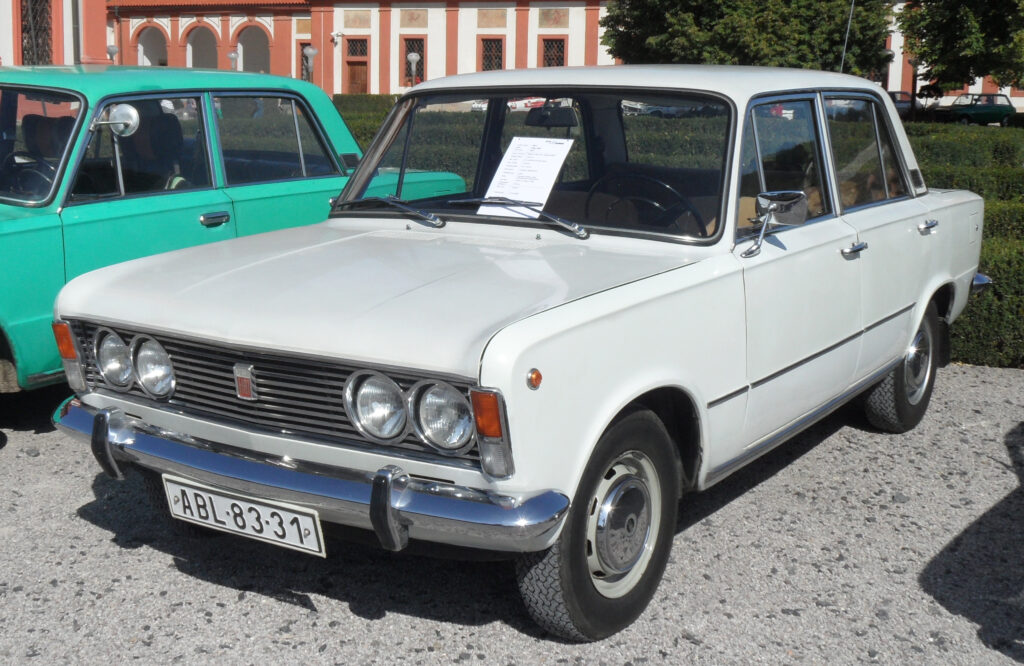
The Polski Fiat 125p served as Poland’s workhorse for over 24 years. It was used as a taxi, a police car, an ambulance, etc. This car was so successful that production continued even after the licensing agreement expired, until 1991. 

The other successful car was the Maluch, or Polski Fiat 126p. It was a modified version of the tiny Fiat 126 produced from 1973 until 2000. Maluch, or “The Little One”, successfully delivered mass motorization and made car ownership a reality for millions of Polish families. The vast majority of the world’s Fiat 126s were produced in Poland. 

Zastava, Yugoslavia

Zastava’s partnership with Fiat preceded the Soviet deals, but it served as a successful template for the others. 

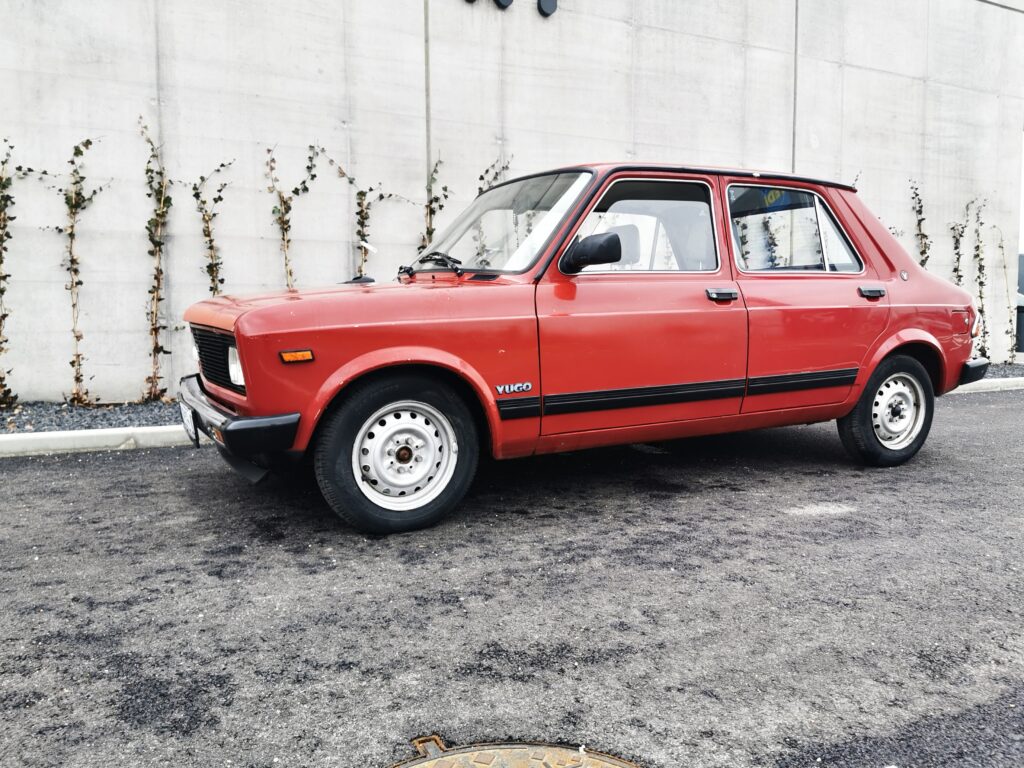
The Zastava 750, based on the Fiat 600, was Yugoslavia’s “People’s Car”. The Fiat 600 also retains the honor of being the car that mobilized Italy. Zastava also produced other successful models, including the Yugo, which was exported to the US as the most affordable car. Zastava also made a model called the Zastava Florida, designed by the legendary Italian designer, Giorgetto Giugiaro.

PIRIN-Fiat, Bulgaria

This collaboration was the smallest and shortest-lived of the Fiat partnerships with the Eastern Bloc. The core models were based on the Fiat 850 and Fiat 124. From 1967 to 1971, cars were locally assembled from Completely Knocked Down Kits imported from Italy. The technology transfer agreement sadly ended in 1971, as the Soviet Union decided to focus on the Lada project. 

Fiat’s contribution to the Eastern Bloc’s automotive industry was impactful and long-lasting. Though these countries failed to modernize and introduce Fiat’s newer models, they produced millions of cars that mobilized their citizens for decades and generated valuable foreign currency. This collaboration and the cars it produced remain landmarks in these nations’ industrial history. It is hard to imagine what this part of the world would have looked like without Fiat’s willingness to work with them.

Dacia Timeline from the 1100 to the Duster. Image AI-generated

As I have been researching Cold War-era cars from Eastern Europe, an interesting view has emerged. The automotive industry in the Soviet-influenced countries wasn’t just an indicator of the socio-political situation but also a harbinger of the 1980s anti-government revolution in many of these countries. 

The extent of Soviet influence was reflected in the types and quality of cars manufactured in the country, which, in turn, played a significant role in citizens’ discontent with their governments. Human beings, by nature, compare themselves to others in their vicinity. The massive gap that existed between the automotive industries on either side of the Iron Curtain left those in the East very unhappy with what they had access to, while their neighbors just a short distance to the west were building and driving some of the finest automobiles on the planet.

It is interesting to note that while Romania produced off-road vehicles like the ARO, it had no mass-produced passenger car before Dacia.

Most Eastern Bloc leaders recognized that they needed to partner with a Western manufacturer to provide their citizens with a reliable means of transportation. Fiat was the most common partner for most of the Eastern Bloc countries, resulting in Polski Fiat (Poland), Zastava (Yugoslavia), and Lada (Russia). Romania chose a different path to assert its independence (though only partially) from Moscow by collaborating with Renault to manufacture the forthcoming Renault 12 under the Dacia brand as the Dacia 1300. 

The collaboration was established in the mid-1960s, with the first cars rolling off the production line in 1968. It is interesting to note that while Romania produced off-road vehicles like the ARO, it had no mass-produced passenger car before Dacia. For most of the 1950s and 1960s, a passenger car was a rare luxury, reserved mainly for the party elite or obtained through long waiting lists for imported (mostly Soviet-made) models. 

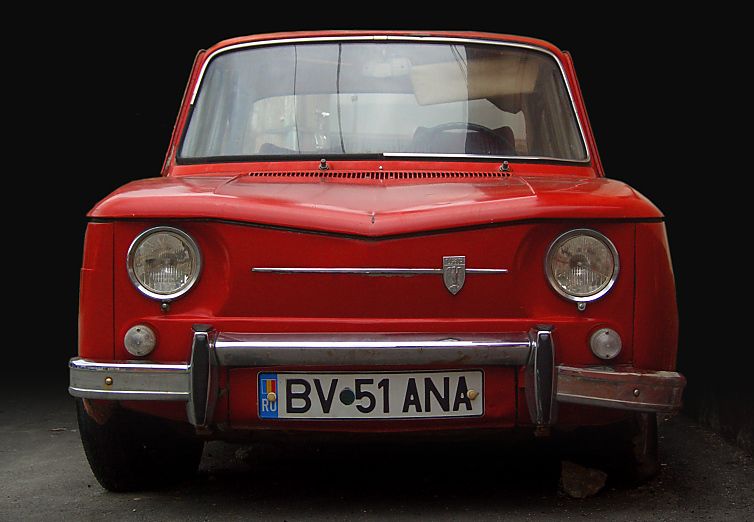
The main reason for this was the de-prioritization of efforts to build a passenger car. Unlike East Germany or Czechoslovakia, which had pre-war factories, the Romanian Communist regime prioritized heavy industry (steel, machinery) and utilitarian transport (trucks, tractors, military vehicles, and the ARO 4x4s) over passenger cars for its citizens. However, by the mid-1960s, the government recognized the social need. To meet that need and to demonstrate its industrial prowess, it decided to acquire the blueprints from a Western partner. They opened a tender that Renault won, paving the way for Renault’s local assembly. The first car under this licensing agreement was the Dacia 1100 (the Renault 8), a temporary model until tooling for the Dacia 1300 (the Renault 12) could be set up. 

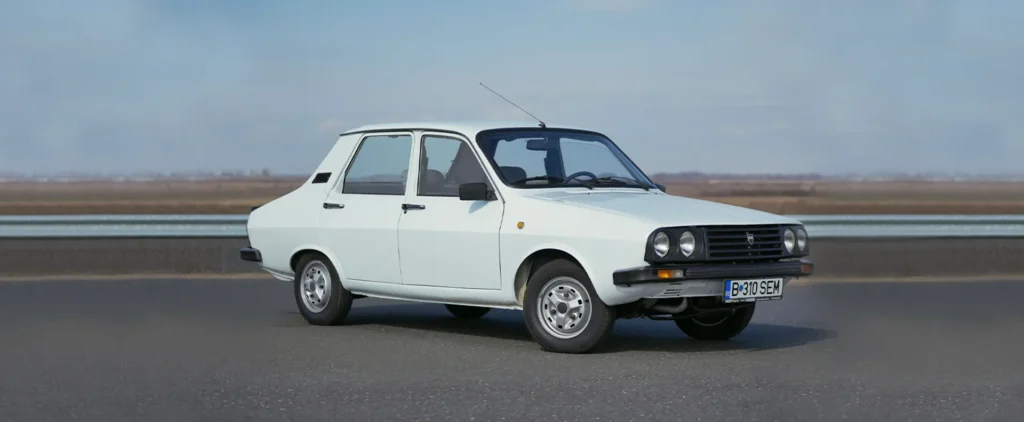
Once the licensing agreement with Renault was signed, there was a sense of urgency to produce the car. The Dacia 1300, based on the Renault 12, was a modern, front-engine, front-wheel-drive sedan, far more sophisticated than most of its Eastern Bloc counterparts at the time of its launch. This was initially a point of national pride. It was intended to be the ultimate expression of the socialist state’s ability to provide its citizens with a modern, affordable means of mobility, fulfilling the “car for every family” promise. It was widely seen as “Romania’s iconic car”. It started with this promise and fulfilled it well for a few years. 

No other Eastern Bloc country had offered a brand new international model to its citizens.

The tooling, machinery, and factory construction for the all-new Renault 12 (Dacia 1300) were not yet ready in 1968. Still, the government wanted to start production immediately to get the factory running and train workers. Renault then allowed Dacia to build the older, simpler, and already established Renault 8 in the interim as the 1100. It was assembled primarily from Complete Knock-Down (CKD) kits, i.e., the parts were shipped from France and assembled in Romania. The 100th Dacia 1100 was gifted to Nicolae Ceaușescu, the then-leader of the Communist Party.

Dacia 1100. Image Credit: Klexy, CC BY-SA 3.0, via Wikimedia Commons

The French origin of the parts resulted in a high-quality vehicle. As the name suggests, it had a 1108 cc engine that produced approximately 46 hp. It featured a simple rear-engine, rear-wheel-drive layout. Though it was supposed to be an interim car, it sold well. Between 1968 and 1972, when 1300 production began, almost 37,500 of the 1100s were produced. Despite following a simple, soon-to-be-outdated drivetrain layout, it had some advanced features, such as disk brakes on all four wheels. It was extremely basic, but for a country starved of passenger cars, it provided an affordable, easy-to-maintain solution and aligned with the practical, no-frills philosophy of state production. 

The Dacia 1300 actually launched in Romania before the Renault 12 debuted in France.

In 1972, mass production for the star of the show, the Dacia 1300, started. Mass production is the key here, since only a handful of units were produced in 1969. In fact, there is a little-known but fascinating story about the car. The Dacia 1300 actually launched in Romania before the Renault 12 debuted in France. This was a political arrangement where the Romanian government wanted to showcase the car at an important event – the parade marking Romania’s National Day on 23rd August. Presenting the new “People’s Car” at the parade was a matter of national pride and a symbol of the industrial achievement of the socialist nation. So Romania launched the car first, producing only 293 units from Completely Knocked Down (CKD) kits, and Renault held the official international launch later at the Paris Motor Show in October. No other Eastern Bloc country had offered a brand new international model to its citizens. 

Dacia 1300. Image Credit: Renault Group

With the official production starting in 1972, Dacia started the process of “Localization” for the 1300. Slowly but steadily, an increasing number of parts began to be manufactured in Romania. Sadly, the quality of the locally made parts was inferior to that of the French parts, so as years passed and local content increased, overall quality declined. Nonetheless, the period between 1972 and 1978 was the brand’s high point. The 1300 was modern, reliable, and comfortable. It was also more advanced than other Eastern Bloc cars. 

Romanians loved the car. Since its launch, it was in high demand, leading to long waiting lists. Seeing the enthusiasm, Dacia quickly expanded the model range to include the 1300L (Luxury), 1301 Lux Super (Super Luxury), and 1300 Break (Estate). The Super Lux came with features such as a heated rear screen and a radio. As expected, this model was reserved for the Communist Party Elites. 

By 1977, the production of the 1300 was almost 100% localized. In 1978, the license agreement with Renault expired and wasn’t renewed. This was a turning point for Dacia, as it was now entirely on its own for design, engineering, production, and innovation. On the one hand, Dacia continued refreshing the lineup with facelifts and new variants, but on the other, the quality of locally made components kept deteriorating. 

Renault was launching new vehicles with innovative features elsewhere, but none of those technologies made it to Dacia. The company relied on the same Renault 12 platform and engine for almost 35 years.

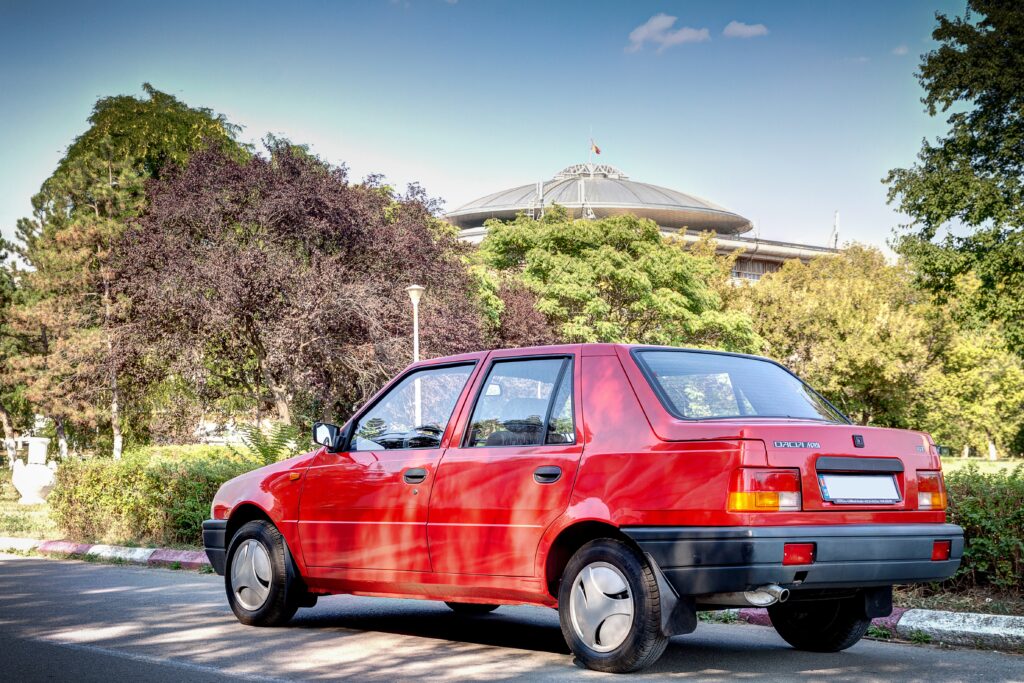
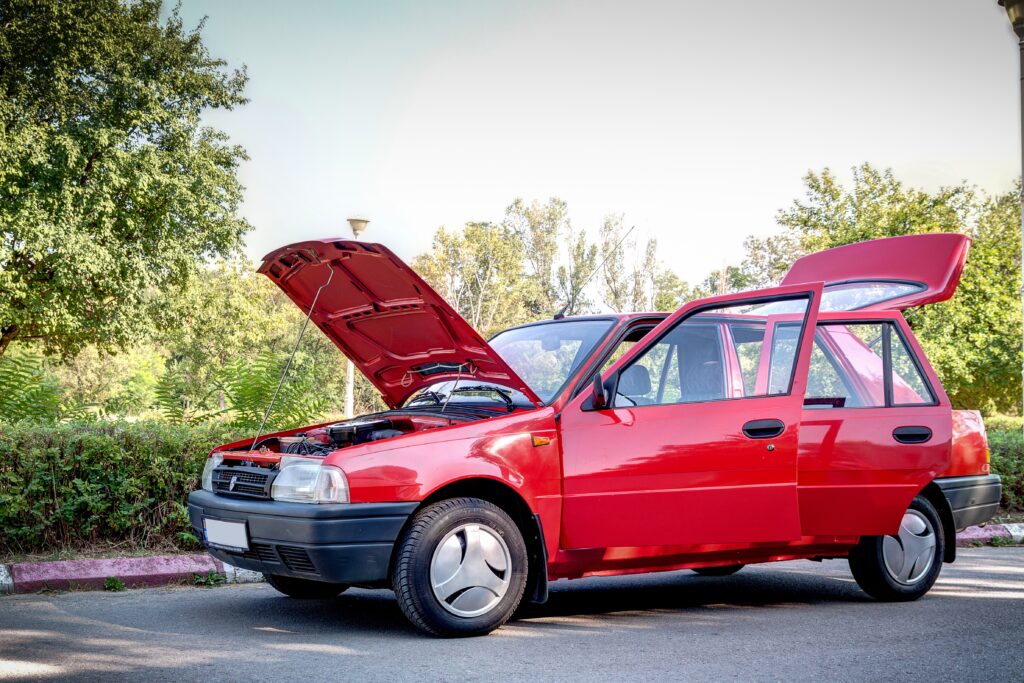
Notable upgrades included the restyled 1310 in 1979 with quad headlights, inspired largely by Renault’s own updates to the R12; the 1310 Sport in 1981; and, after a long gap, the Dacia Nova in 1994. Production of the Nova had been delayed since 1983, suggesting it was already outdated at launch and suffered from reliability and rust issues. 

Dacia Nova. Image Credit: Răzvan Corneliu Vilt, CC BY-SA 4.0, via Wikimedia Commons

With Dacia’s factory rolling out vehicles since 1968 and local component manufacturing starting in the early 1970s, people expected sufficient local expertise to produce quality products. Sadly, this wasn’t true. After Renault exited the venture, quality continued to decline, with cars suffering repeated reliability issues, rust, and other problems. Renault was launching new vehicles with innovative features elsewhere, but none of those technologies made it to Dacia. The company relied on the same Renault 12 platform and engine for almost 35 years. The last 1300 was produced in July of 2004 with a total production run of nearly 2 million units. 

Like many other Eastern Bloc nations, Dacia’s fate was shaped by the political situation. Romania had aspired to greater independence from Moscow than some of its counterparts (I encourage you to read the story about how Romania managed this, while Czechoslovakia was invaded by the USSR when it tried to diverge from communist doctrine). The position led to increased contacts with the West, including many loans. However, in the 1980s, Romania’s leader, Nicolae Ceaușescu, made a drastic decision to pay off the country’s entire foreign debt in a short timeframe. The debt-repayment push and the corresponding austerity measures led to a total retreat into isolation and poverty. The resulting economic stagnation lowered the standard of living by up to 40% in the 1980s.

By the mid-1980s, the Dacia, once meant to symbolize modernity, had become a symbol of failure and sacrifice. Long waits, poor quality, the inability to choose even a color because of export prioritization, and later the inability to use the car because of fuel rationing turned national pride into widespread frustration. A clear divide emerged between the privileged and everyone else, with the best models, like the Lux Super, reserved for officials. 

Dacia offered an established factory, a trained workforce, and lower manufacturing costs than Western Europe.

The relationships with Western countries also led to many diplomats being posted to Romania. These foreign officials used modern imported cars clearly marked with yellow diplomatic plates. These cars served as a constant, tangible reminder of the prosperity enjoyed outside the Iron Curtain, deepening the sense of deprivation among the people. This “disconnect” between the state’s propaganda of prosperity and the reality of daily hardship (food rationing, freezing homes, unusable cars) was a primary reason behind the growing political repression and unrest that culminated in the 1989 Romanian Revolution.

After communism collapsed, Dacia faced tough new competition from modern, imported Western European cars. It rapidly lost its export markets and struggled at home, surviving on its only asset: a domestically produced, extremely inexpensive car. 

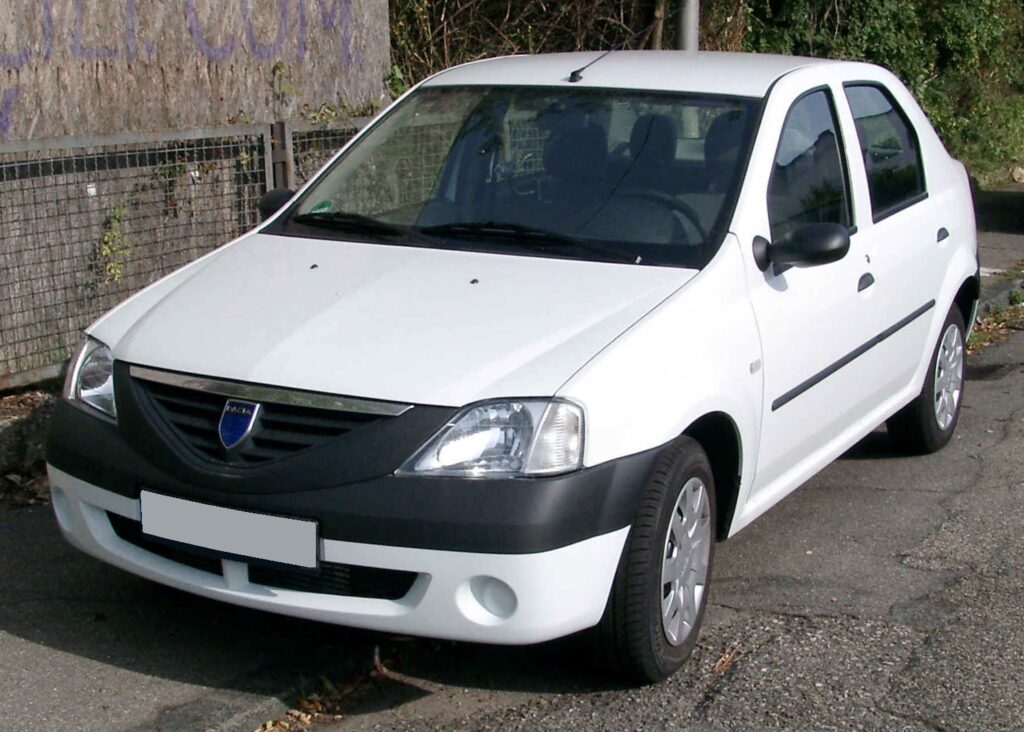
In 1999, Renault took a controlling stake in Dacia. Renault’s CEO at the time, Louis Schweitzer, envisioned “Project 90”: a modern, reliable, affordable car around €5,000. Dacia offered an established factory, a trained workforce, and lower manufacturing costs than Western Europe. He saw an opportunity to reinvent Dacia as a budget brand in Renault’s portfolio. As a result, Renault launched the highly successful Dacia Logan in 2004. Worldwide, the Logan was manufactured in many countries, in both petrol and diesel versions, serving as a personal and commercial vehicle.

Dacia Logan. Image Credit: Rudolf Stricker, Attribution, via Wikimedia Commons

As of 2025, Dacia is arguably in the strongest position in its history. No longer just a “budget” subsidiary, it has evolved into the financial engine of the Renault Group and a distinct brand in Europe. It is recognized as the Golden child of the Renault Group, operating with healthy margins. It has somehow remained immune to the crisis affecting the other European manufacturers. The brand recognition is strong, and as other cars get more expensive, Dacia is attracting customers from priced-out brands, offering not a “cheap” car but one that delivers value for their money.

In the mid-80s, apart from Suzuki, some other Japanese brands, perhaps better known globally than Suzuki, also entered India. As was required at the time, all of these entered through joint ventures to provide quality trucks in the much-needed sub-10-ton commercial vehicle segment. The category was referred to as LCVs – Light Commercial Vehicles. Before these trucks arrived, Indian freight operators had limited options in this category. 

As India developed, albeit slowly due to the License Raj and a semi-open economy, the need for smaller trucks to ply city roads and make inter-city trips with smaller payloads also grew. The available trucks from Tata and Ashok Leyland were larger and not suited for smaller workloads. Essentially, no product offerings met this need for Indian businesspeople who depended on truck operators to transport their goods. 

To address this significant gap in the country’s supply chain, the government encouraged the introduction of four light trucks. The Indian government, known for its protectionist policies, deserves credit for allowing four collaborations to proceed simultaneously. Perhaps the realization of the massive market and the benefits of competition for customers drove this decision. The number “4” for joint ventures is interesting. Around the same time, the Indian government also permitted four motorcycle-manufacturing collaborations with Honda, Yamaha, Suzuki, and Kawasaki. The first Japanese collaboration, with Suzuki, to manufacture passenger cars remained exclusive for a decade, which made sense at the time because cars were still considered a luxury. 

The Nissan Cabstar had an innovative anti-theft feature. It was the first Diesel vehicle in India that couldn’t be started without its key.

DCM Toyota – Collaboration between DCM Group India and Toyota, Japan. The truck was called Dyna. A mini-bus version, the Dyna Clipper, was also produced. Toyota has since also started passenger car and SUV production in India under a different agreement, which has been highly successful.
Swaraj Mazda – Collaboration between the Swaraj Group India and Mazda, Japan. Swaraj was already in the automotive sector with tractors. Though they started with trucks, buses made on the same platform gained more popularity than trucks as staff vehicles for several companies. Mazda has not entered India for passenger or commercial vehicles since then. It is one of the few manufacturers that has resisted going into this market.

Eicher Mitsubishi – Collaboration between Eicher Group India and Mitsubishi, Japan. Eicher also manufactured tractors. The truck they produced was named Canter. It turned out to be the most successful of the four ventures. A small bus built on the Canter platform also gained decent traction, with adoption by schools, factories, and other institutions. The Canter was the only truck that participated in rallies. Mitsubishi also entered the Indian passenger vehicle segment with its Lancer midsize sedan through a joint collaboration with Hindustan Motors. That collaboration was short-lived, and so was Mitsubishi’s stay in India.

Allwyn Nissan – Collaboration between Allwyn Group India and Nissan Japan. The Allwyn Group was also involved in automobile manufacturing, specifically two-wheeler production. This truck was called the Cabstar and was the smallest of the four. It was also available as a minibus. Nissan has also entered the Indian market to produce smaller passenger cars, such as the Micra.

The boost to the economy from these trucks was noteworthy. It increased business owners’ purchasing power and enabled faster delivery of perishable goods.

The Toyota, Mazda, and Mitsubishi trucks were very similar in their dimensions and payload. The Nissan Cabstar, though smaller, wasn’t much cheaper. It created a niche market for customized luxury vans; however, it ultimately failed to achieve significant success. It also had an innovative anti-theft feature. It was the first Diesel vehicle in India that couldn’t be started without its key. Many people may find this bit interesting. A diesel engine, a compression-ignition engine, doesn’t need an electric spark to ignite the fuel. All diesel vehicles produced in India up to this point could simply be started by pushing.

The introduction of these LCVs created an entirely new transportation sector. Because owning and operating these trucks cost less than full-sized ones, smaller businesses could own trucks for their own needs for the first time. 

The boost to the economy from these trucks was noteworthy. It increased business owners’ purchasing power and enabled faster delivery of perishable goods. This helped farmers and dairy producers immensely. Wholesalers and distributors began establishing new B2B supply routes to retailers in small towns and villages, thereby opening up new markets. CPG manufacturers could now advertise and sell their products nationwide.

Not only goods, but also life-saving medicines and ambulances, began making their way to such places. Overall, this improved the quality of life for people in smaller towns and villages. 

The success of these small trucks didn’t go unnoticed by the incumbents, Tata and Ashok Leyland. Tata quickly responded with the Tata 407, followed soon after by its slightly bigger brother, the Tata 608. Both of these were smaller than the Japanese trucks from Toyota, Mazda, and Mitsubishi. If I recall correctly, the 407 was about the same size as, or even slightly smaller than, the Cabstar. But both were instant hits and immensely popular. Tata knew the Indian market for decades. They knew cost and value mattered for the target customer segment. Their trucks required smaller upfront investments, were cheaper to maintain because of locally made parts, and their size made them a perfect fit for both congested inner-city roads and intercity deliveries. 

Tata had a decades-long headstart in the trucking industry. They knew the market better than their competitors.

Developing and launching a brand-new vehicle typically requires several years for any manufacturer. Particularly in 1980s India, where R&D facilities were limited, technological knowledge was scarce, and quality standards were poor, the government had to seek collaboration with the Japanese to bring quality trucks to this segment. It is ironic, then, that Tata launched the 407 almost overnight through indigenous efforts. The design wasn’t truly in-house. These trucks resembled smaller Mercedes trucks, a lineage Tata had followed since its early days. But that’s where the similarities ended. The trucks were designed and built entirely in India. 

The success enjoyed by the 407 and the 608 was unprecedented. Their immense popularity exceeded everyone’s expectations. To the point that of the four Japanese rivals, only the Mitsubishi Canter could survive for a few years against them. 

How could Tata produce two winners in-house while the well-known Japanese brands struggled and ultimately quit? The answer lies in their history. Tata had a decades-long head start in the trucking industry. They knew the market better than their competitors. While manufacturing the Japanese trucks required setting up entirely new factories and supplier networks, Tata already had the infrastructure in place. Tata also had a robust sales and service network across the country. 

In contrast, the companies that collaborated with the Japanese manufacturers had never built commercial vehicles in India. They began by assembling Japanese trucks while gradually building local manufacturing and service infrastructure. They simply couldn’t match Tata’s combination of price, product quality, and service availability. 

As an automotive manufacturer, Tata has consistently shown resilience and the ability to compete with foreign rivals across various segments. The small-truck category was the initial focus of this move, which later expanded to personal cars and now also encompasses EVs. The opening of the economy in the 90s brought leading global manufacturers to India. Many have since made India their export hub. You can now buy the world’s leading brands in India. But even in a crowded market, Tata has remained competitive and continues to produce vehicles for most consumer segments.

I am making a bold claim in this article. Giving credit to one car, a small car, for playing a significant role in boosting the Indian economy in the mid-to-late 80s.

First, let me introduce the car itself. The Maruti 800 was launched in India in 1983 as a collaboration between Suzuki, Japan, and the Government of India. These were the days when the Indian economy was strictly controlled (also known as the License Raj), which made foreign investment difficult and seriously curbed entrepreneurship. 

The car, with its 796 cc, 3-cylinder gasoline engine, introduced India to FWD (front-wheel drive), bucket seats, a floor-mounted synchromesh gearbox, and even air conditioning in the DX AC-TG (Air Conditioning – Tinted Glasses) model. The initial supply was imported from Japan, and in the years that followed, these imported pieces became highly sought after. Second-hand imported cars were sold for more than brand-new locally assembled ones because they were perceived as higher quality (and this was largely true). 

The Maruti was conceieved as India’s people’s car, and it absolutely fulfilled that goal. More importantly, it significantly reduced the gender bias toward driving.

In its early years, its lightweight construction drew much ridicule. The competition (Hindustan Ambassador and Premier Padmini) used thicker gauge steel that fared better with nicks, dings, and minor accidents that were, and still are, too commonplace in India. However, none of that stopped the Maruti from becoming a darling of the masses, with sales soon surpassing those of the incumbents. Maruti’s smaller dimensions, lighter steering, drivability, and, most importantly, the low price point truly catalyzed car ownership in India. 

The Maruti was conceived as India’s People’s Car, and it absolutely fulfilled that goal. More importantly, it significantly reduced the gender bias toward driving. As the Maruti became a household name, women’s adoption of driving soared, marking a significant shift in societal norms. 

The Maruti 800, much like APIs for a software platform, opened up numerous possibilities for 3rd parties to create customizations, something India has never seen before.

A whole chapter could be written about the political wrangling in the 1970s to get this venture greenlit. We won’t get into that in this post. I am glad that the project finally came to light, and I can share my recollection of the benefits it brought to India. 

I will limit the introduction of the car to the paragraphs above. If you want to learn more about the car, the internet offers a wealth of information. My focus here is on recognizing the value it created for the Indian economy. 

Quantifying the number of jobs created is challenging. So, rather than toiling over that, I will list the numerous employment opportunities this car helped create. It is not an exhaustive list, as it does not include jobs created at OEM suppliers, dealerships, authorized service stations, certified reseller programs, secondary parts manufacturers, independent mechanics, body shops, and other related entities. 

The Maruti 800, much like APIs for a software platform, opened up numerous possibilities for 3rd parties to create customizations, something India had never seen before. In the process, it created new businesses and brand-new jobs.

  1. Driving Schools: The Maruti was cheap to own and easy to drive. Instead of relying on a driver, Indians started driving themselves. Driving schools cropped up across every city, large or small, offering viable employment to thousands. 
  2. Restaurants – Families gained mobility. It became easier for a family of 4 or 5 to go out more and try food outside the house. The restaurant business began to rise steadily.
  3. Private Taxis – Lower operating costs and high reliability led to the launch of many taxi companies across the country.
  4. Drivers – While the Maruti boosted driving, it also created demand for more drivers to ferry families around, take kids to school, and so on. 
  5. Employment at RTOs (DMV in the US) increased as the number of applicants for taxi permits, driver’s licenses, and other services rose. 
  6. Track Racing – This sport was completely absent in India until the Maruti came along, and suddenly, track events were being organized everywhere. It was funny to see that every single car competing was a Maruti.

Car Accessories

Car accessories deserve their own section because, in India, Maruti played a pivotal role in establishing this industry from scratch. Beyond providing necessary features, accessories also let people flaunt their wealth. I had a lot of fun compiling this list, and I hope you enjoy it too. 

  1. Car Accessory Stores – These stores began to appear in every city and town, offering a wide range of accessories. They also employed many people who specialized in accessory fitment.
  2. Car music systems – In India, Maruti was the first car to feature a dedicated spot on the dashboard for a music system (called a car deck). Within a few years of its launch, a wide range of models became available. The car had a small trunk, but that didn’t stop owners from stuffing it with large woofers. Driving around the busy streets with music at full blast became a sort of fashion statement for the well-to-do.
  3. Window tinting – a whole range of them. Maruti initiated the adoption of window tinting in India, not just in cars but also in buildings. Large-scale commercial production of window tints started and soon became available for commercial and residential buildings.
  4. Wheels and Wheel covers – They were non-existent during the Ambassador and Padmini era. After-market wheels were another fashion statement.
  5. Car perfumes and air fresheners – I still recollect those citrusy fragrances. 
  6. Decals – Who cared that the Maruti wasn’t a performance car! You could apply decals declaring yours as a Ferrari, a Lambo, or whatever you fancied. 
  7. Custom Lighting – Your Maruti could feature off-road lighting, under-carriage lighting, musical lights, and more. Whatever your imagination and your pocket could afford.
  8. Seat covers – A big necessity due to the dusty conditions and the fact that factory seats were made of vinyl, which is very uncomfortable in the heat. 
  9. Interior decorations – A wide selection of things you could place inside your car. The most common being miniature idols of gods and goddesses. 

As I noted earlier, this list is far from comprehensive. However, it should give you an idea of how this small car not only captured the hearts of Indians but also played a significant role in boosting the country’s economy. It is a hard-to-recognize fact because people have never seen it this way. Still, I genuinely believe that if we list the major factors that have boosted India’s economy since its independence, Maruti’s influence would be near the top.