Image: AI Generated
Recently, we wrote about Fiat’s influence on the automotive industry of the Eastern Bloc. Italy’s proximity to the Eastern Bloc, the influence of its local communist party (PCI), and Fiat’s willingness to work on flexible financing terms helped the USSR and several satellite nations establish domestic vehicle manufacturing. The impact of the partnership was massive. It provided personal transportation for the population of these countries and earned them extremely valuable foreign currency.
Another Western European manufacturer had a similar impact on a much broader scale, literally. Renault, the French automotive manufacturer, established licensing agreements with Argentina, Spain, Romania, and Turkey. Renault was also a contender for a small car project in India, but that collaboration went to Suzuki in the early 1980s.
Renault provided them with two benefits: a licensing agreement to assemble and then manufacture cars locally, and the perceived stability of a state-owned enterprise.
But why Renault? The post-World War II era saw many American and Western European manufacturers produce good cars. What did Renault bring to the table that the others didn’t? The war had severely damaged much of its infrastructure, and it didn’t have the financial strength of the American Manufacturers. The Renault Paris plant was the target of the largest single bombing squadron during WWII in March of 1942, with bombings continuing until September of 1943. As a result, Renault was devastated and needed to rebuild its factories after the war, requiring significant investment. Even with this knowledge, why did these countries choose Renault as their partner?
Public policy is a good answer to the question. In January of 1945, amid ongoing political turmoil, Renault was formally nationalized and placed under the leadership of Pierre Lefaucheux, a leader of the French resistance and an engineer with a strong understanding of management principles. For a state-owned firm, political pressure is a part of life. Lefaucheux somehow managed to circumvent it and produce cars that led Renault to a remarkable resurgence. The 4CV, launched in 1946, was a massive success, winning the moniker of the French People’s Car. Its success enabled Lefaucheux and Renault to launch many more successful models.
Renault had also mastered the manufacture of small, simple, and reliable vehicles that perfectly met these countries’ needs.
Coming back to the point about public policy, when the countries listed above began planning for automotive manufacturing, their objective was mass motorization, i.e., building a People’s Car. They also preferred to retain control of the manufacturing units. Private, well-established manufacturers, like those in America, had sufficient financial strength to set up their own subsidiaries without external help, but that went against these countries’ intent. Renault provided them with two benefits: a licensing agreement to assemble and then manufacture cars locally, and the perceived stability of a state-owned enterprise. Renault had also mastered the manufacture of small, simple, and reliable vehicles that perfectly met these countries’ needs.
The arrangement also benefited Renault. First, it was financially safer because their investment was small. Second, licensing its blueprints and parts earned royalty, i.e., valuable currency after the war, which France needed to rebuild. In the long run, Renault emerged as the greater beneficiary across all these arrangements. Starting with a licensing agreement, it ended up owning three of the four ventures and taking a majority stake in the fourth, providing it access to large markets served by low-cost manufacturing bases.
🇪🇸 Spain (FASA-Renault):

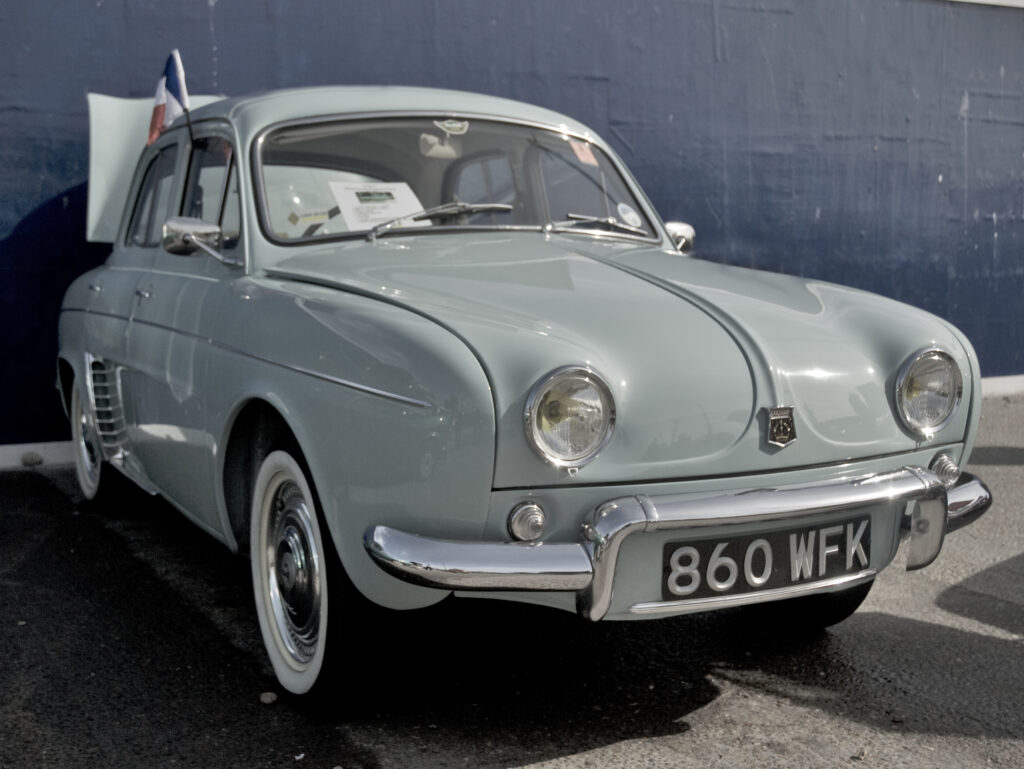
Image Credits:
Left: Renault 4CV Berthold Werner, CC BY-SA 3.0, via Wikimedia Commons
Right: Renault Dauphine, Berit from Redhill/Surrey, UK, CC BY 2.0, via Wikimedia Commons
Spain emerged from the civil war under Francisco Franco’s regime and soon faced the dilemma of whether to participate in World War II. Though Spain mainly remained neutral in WWII, the overall effect of the two wars was that the general population wasn’t rich. Post-war Spanish consumers needed a simple and economical car. The isolated regime’s economy was based on the Import Substitution Agreement, requiring local assembly or manufacturing.
These conditions matched what Renault had to offer, thus setting up its first international collaboration in 1951 as a pure licensing agreement with a local entity called FASA (Fábrica de Automóviles S.A.). Renault’s early post-war models, the 4CV and the Dauphine, were perfect fits for the Spanish consumer’s needs. They were cheap to manufacture and easy to maintain. The deal started with the local assembly of the 4CV in 1953, gradually transitioning to full local production under government-mandated targets. Renault subsequently brought the Dauphine, Renault 4, and Renault 5 to Spain as well.
The collaboration had a deep impact on the mass-motorization of the Spanish population. FASA-Renault remained the dominant car manufacturer in Spain for decades. Later, Renault increased its stake and eventually bought the remaining Spanish stake to integrate it into the Renault group fully.
🇦🇷 Argentina (IKA-Renault)
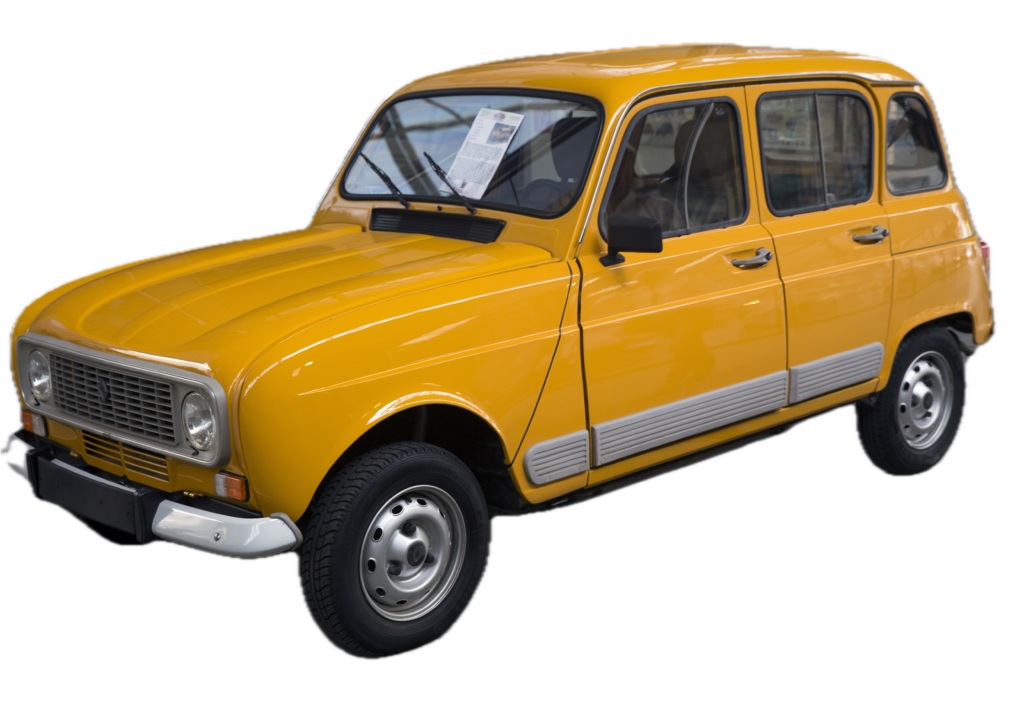
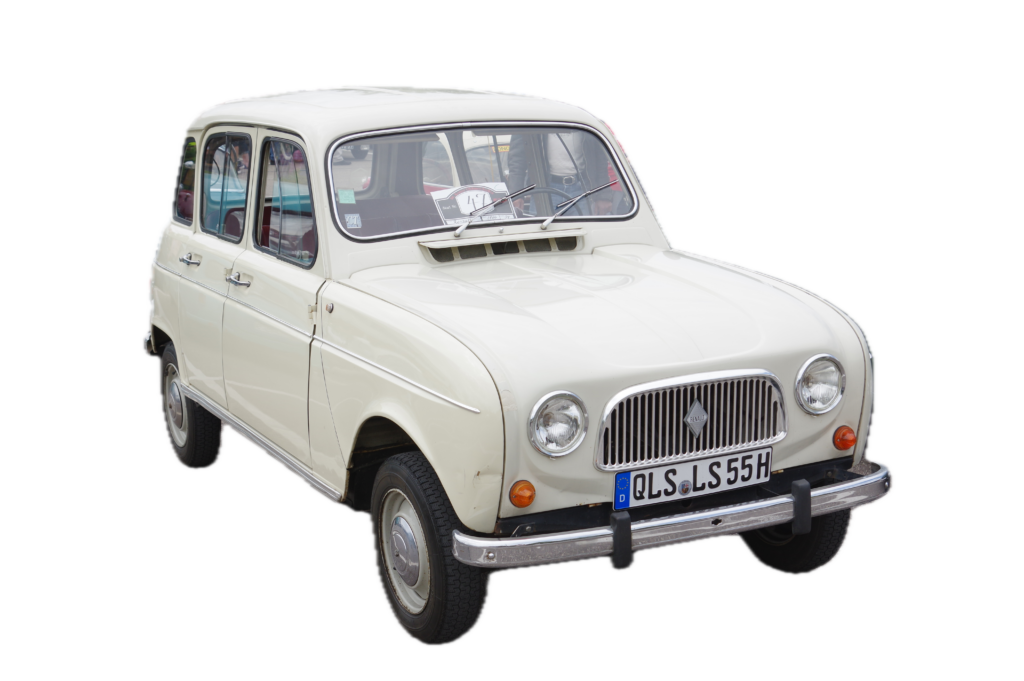
Image Credits:
Left: Renault 4 Mr.choppers, CC BY-SA 3.0, via Wikimedia Commons
Right: Renault Dauphine, Berit from Redhill/Surrey, UK, CC BY 2.0, via Wikimedia Commons
Argentina had a state-led industrial policy requiring the domestic manufacture of cars. In addition, the existing domestic firm, IKA (Industrias Kaiser Argentina), was struggling and needed a lifeline. IKA produced some American cars but was in desperate need of a modern, smaller vehicle to serve the mass market and save itself from financial troubles.
Once again, Renault’s vehicles, like the Dauphine and Renault 4, were well-suited for Argentina. Renault also saw this as a strategic opportunity to gain entry to the massive South American market. In 1959, IKA started the licensed production of the Renault Dauphine. In later years, the Renault 4 and then the successful Renault 12 were also introduced.
Renault began acquiring a stake in IKA in 1967. In 1975, despite political volatility, protectionist policies, and currency challenges, Renault Argentina took full ownership of the operation. It remains a key part of Renault’s Latin American presence.
🇷🇴 Romania (Dacia)
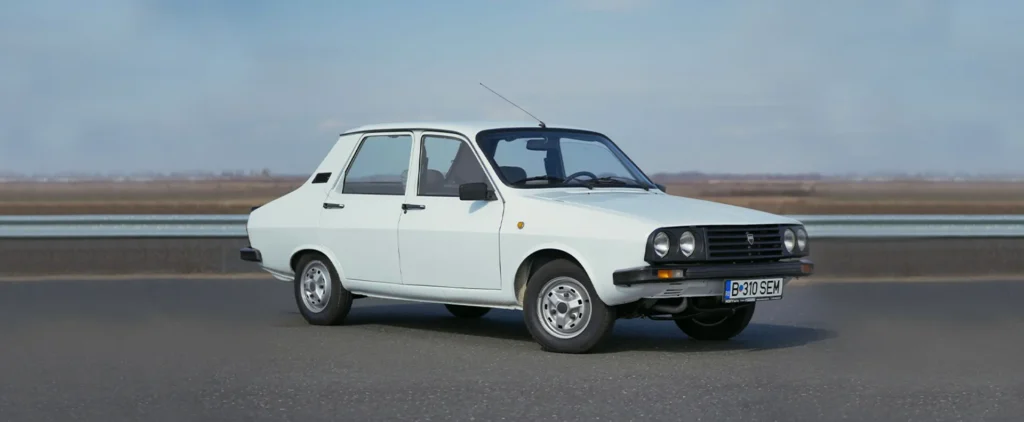
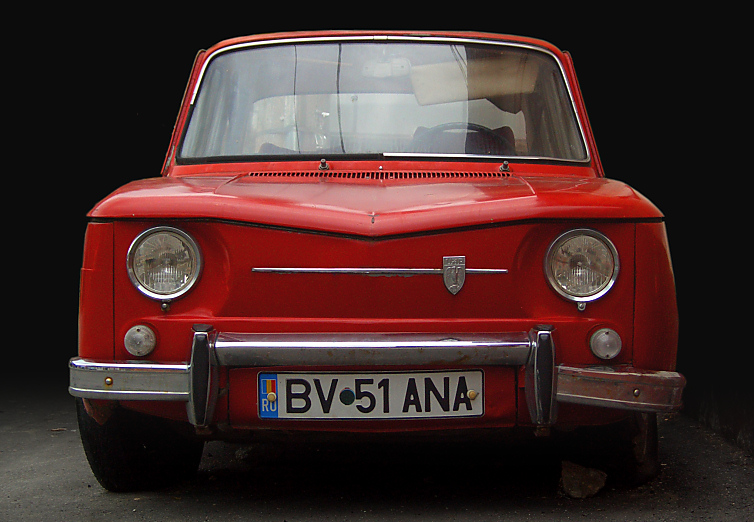
Image Credits:
Left: Dacia 1300, Renault Group
Right: Dacia 1100. Image Credit: Klexy, CC BY-SA 3.0, via Wikimedia Commons
We have extensively covered Renault’s role in Dacia in this article, so we won’t go into much detail here. To summarize, Dacia was also a state-owned enterprise created to provide Romanian citizens with modern, affordable personal transportation. With a licensing agreement signed in 1966, Dacia began local assembly of the Dacia 1100 (Renault 8), graduating to the Dacia 1300 (Renault 12) by 1972.
In 1978, the licensing agreement with Renault ended, and Dacia switched to 100% indigenous production. In the years that followed, Romania underwent severe austerity measures, leading to widespread dissatisfaction and ultimately a revolution that ended communist rule. Dacia was soon acquired by Renault and has since become Renault’s most profitable manufacturing hub.
🇹🇷 Turkey (Oyak-Renault)

Image Credit:
Renault 12 Snoopy1974, Public domain, via Wikimedia Commons
Turkey’s needs were similar to those of the other countries with which Renault had partnered – a modern, reliable car for the middle class and a manufacturing unit to generate local employment. However, unlike in Spain, Argentina, and Romania, Renault entered Turkey through a joint venture (JV) with OYAK (the Turkish Armed Forces Pension Fund) in 1969. By this time, Renault had become well-established and financially secure. OYAK was also a stable entity with local support and could easily navigate the regulatory system. These factors encouraged Renault to pursue a JV rather than the traditional licensing model.
Renault initially held a 44% stake, which it later increased to 51%. The venture established a large, modern automobile manufacturing facility in Bursa, making it one of Turkey’s largest industrial enterprises. Automobile production began with the Renault 12 in 1969. This was already a highly successful model and, as expected, soon became popular in Turkey. The JV expanded in 1985 to produce more modern models, such as the Renault 9, and later built the R11 and Clio.
The Bursa plant played a key role in transitioning Turkey into a full-scale manufacturer and exporter of cars. Cars produced at this plant were exported to over 70 countries.
Turkey also allowed Fiat to enter the market through another venture, Tofaş, around the same time. With the two European rivals competing for local share, both brought in their latest technologies and kept the offerings fresh. This benefited the Turkish customers and also its export aspirations.
